
PP melt blown filter cartridge
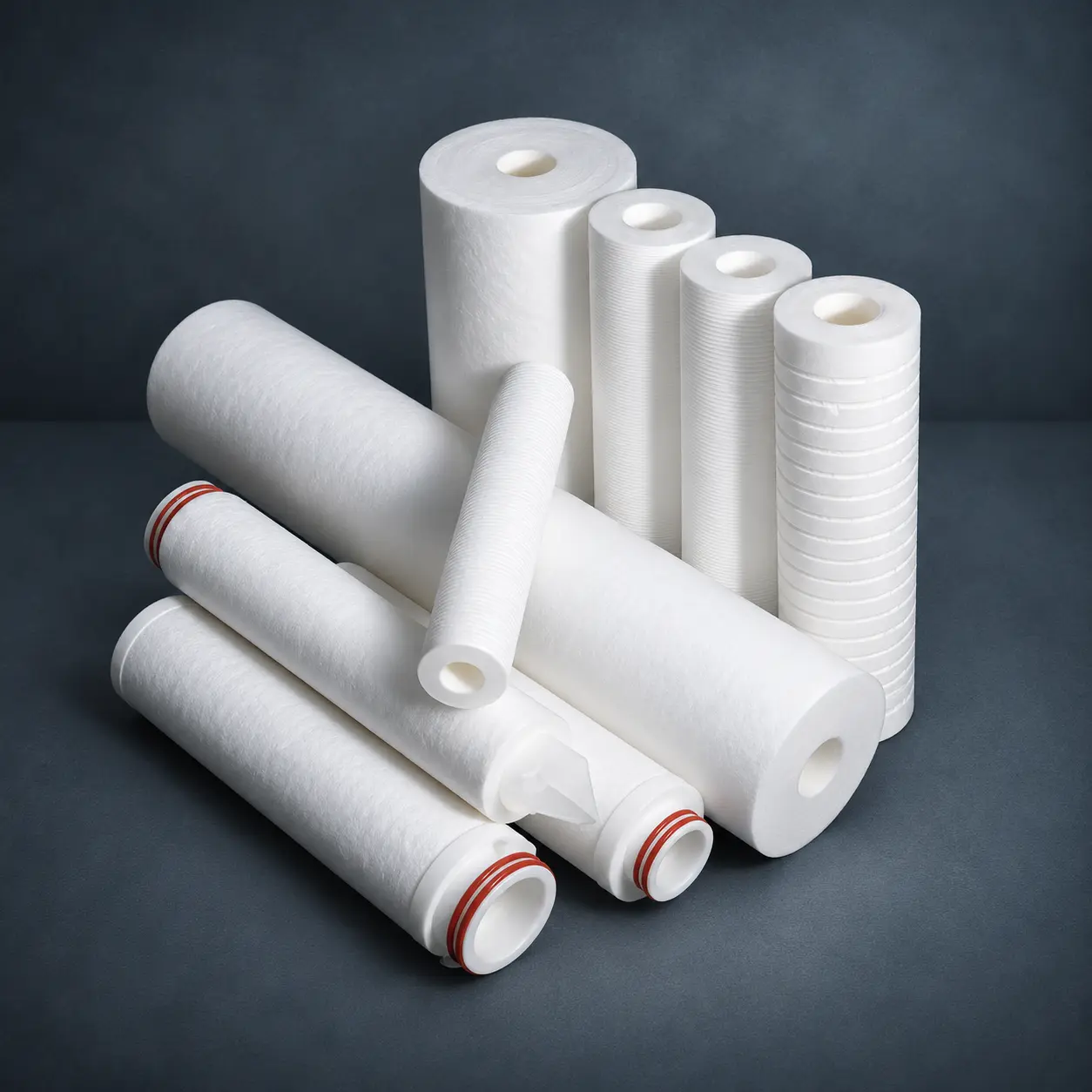
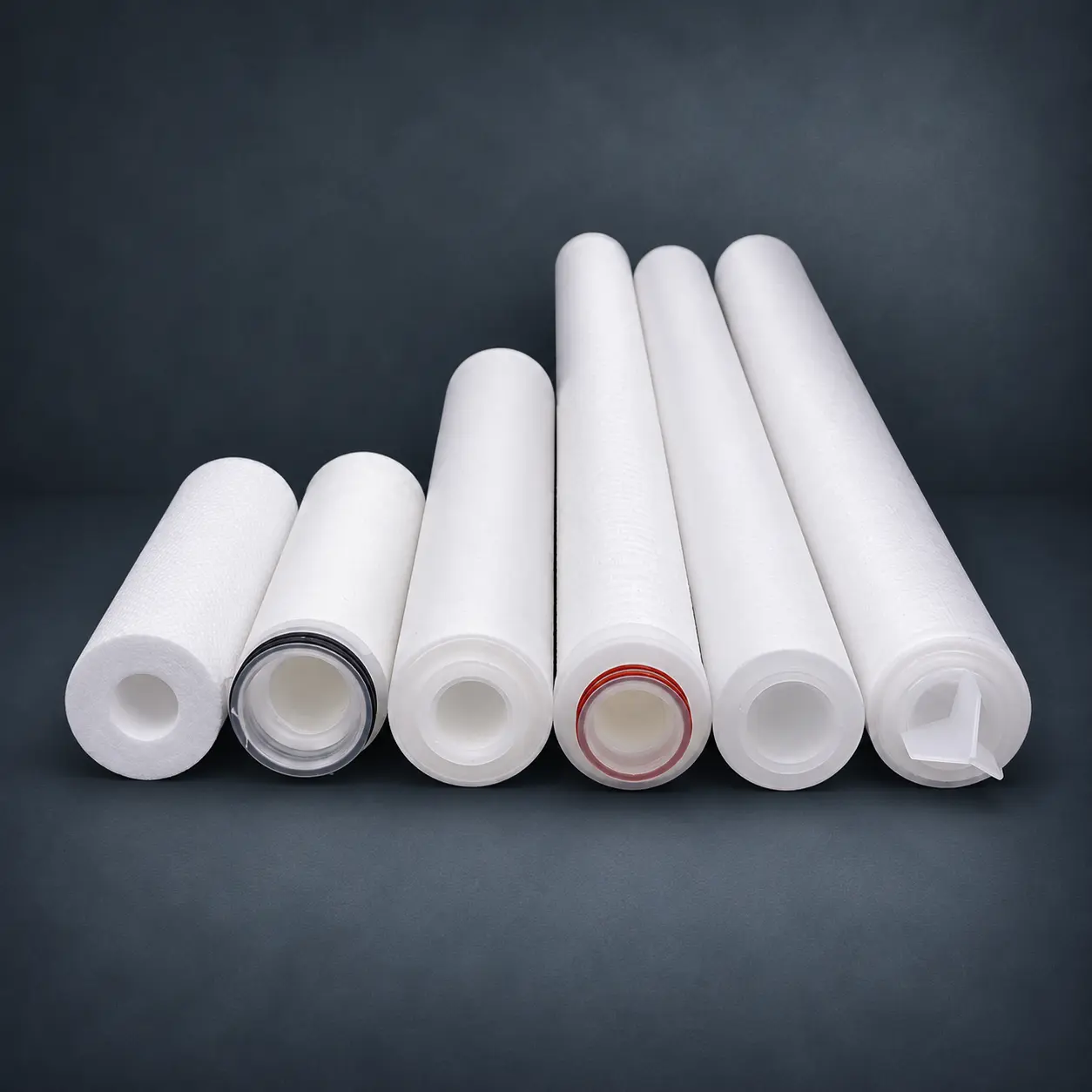
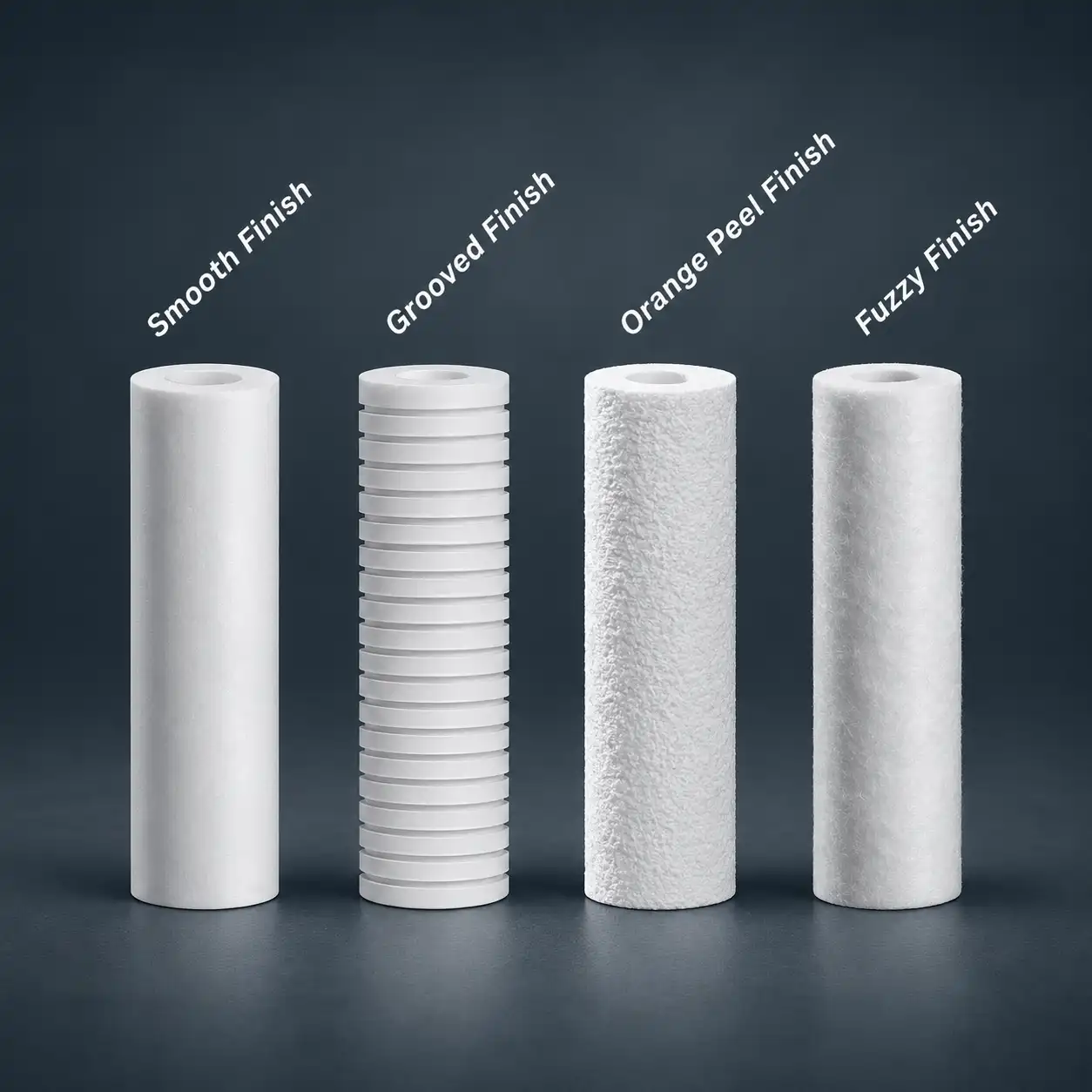
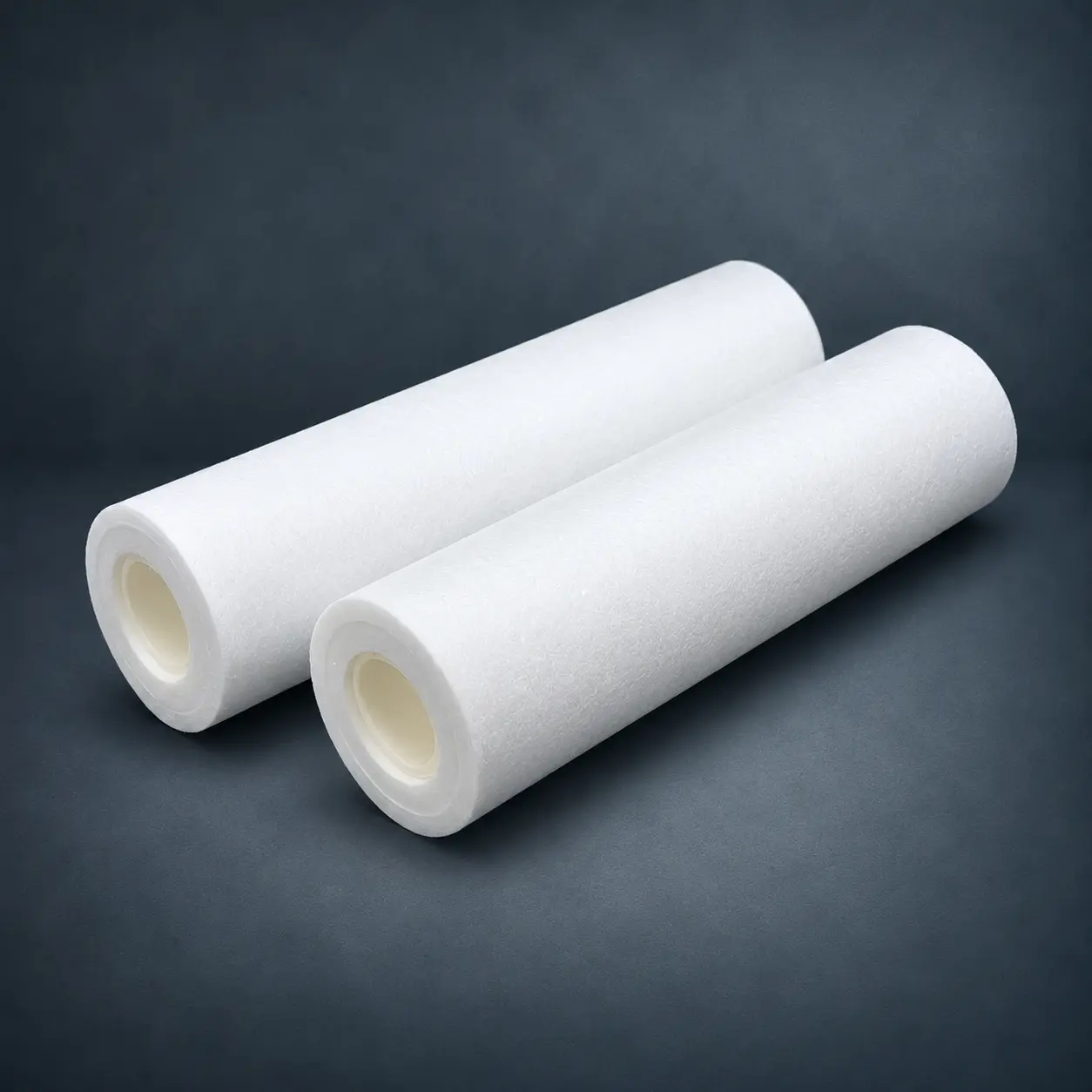
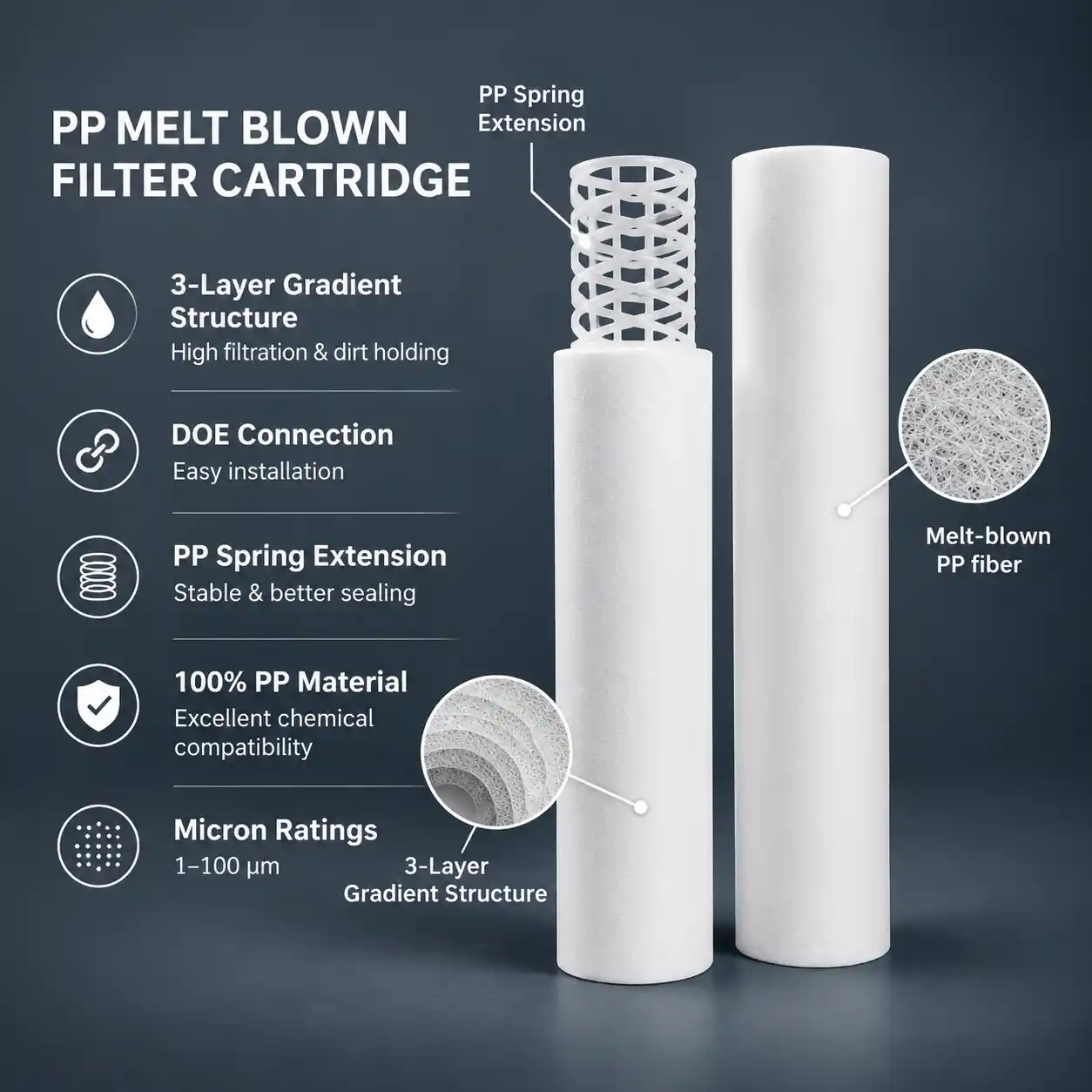
Made from 100% pure polypropylene without chemical binders, this depth filter features a graded-density fiber structure that captures particles from outer to inner layers, ensuring high dirt-holding capacity, excellent chemical compatibility, and extended service life.
- Polypropylene construction, using no surfactantsor binders to ensure low level of precipitation
- 3-layers structure cartridge and strong center core
- Filtration Efficiency: 90% cut off@1um, 95% cut off @5um, 98% cut off @10um
- Economical & longer life cycle, Non-fiber releasing, suitable in relative high temperatures
APPLICATIONS
melt blown polypropylene filter
- Drinking water treatment
- Chemical Processing: Pre-filtration of compatible chemical liquids.
- Food & Beverage: Removal of suspended particles.
- RO Pretreatment: Protecting downstream membranes from sediment.
FEATURES
PP melt blown cartridge filter
- High Flow Capacity
- Scalable Capacity
- Quick Changeouts and Easier Maintenance
- Compact Footprint
- Enclosed Processing
- Lower Initial Equipment Cost
How Does a melt blown cartridge filter Work?
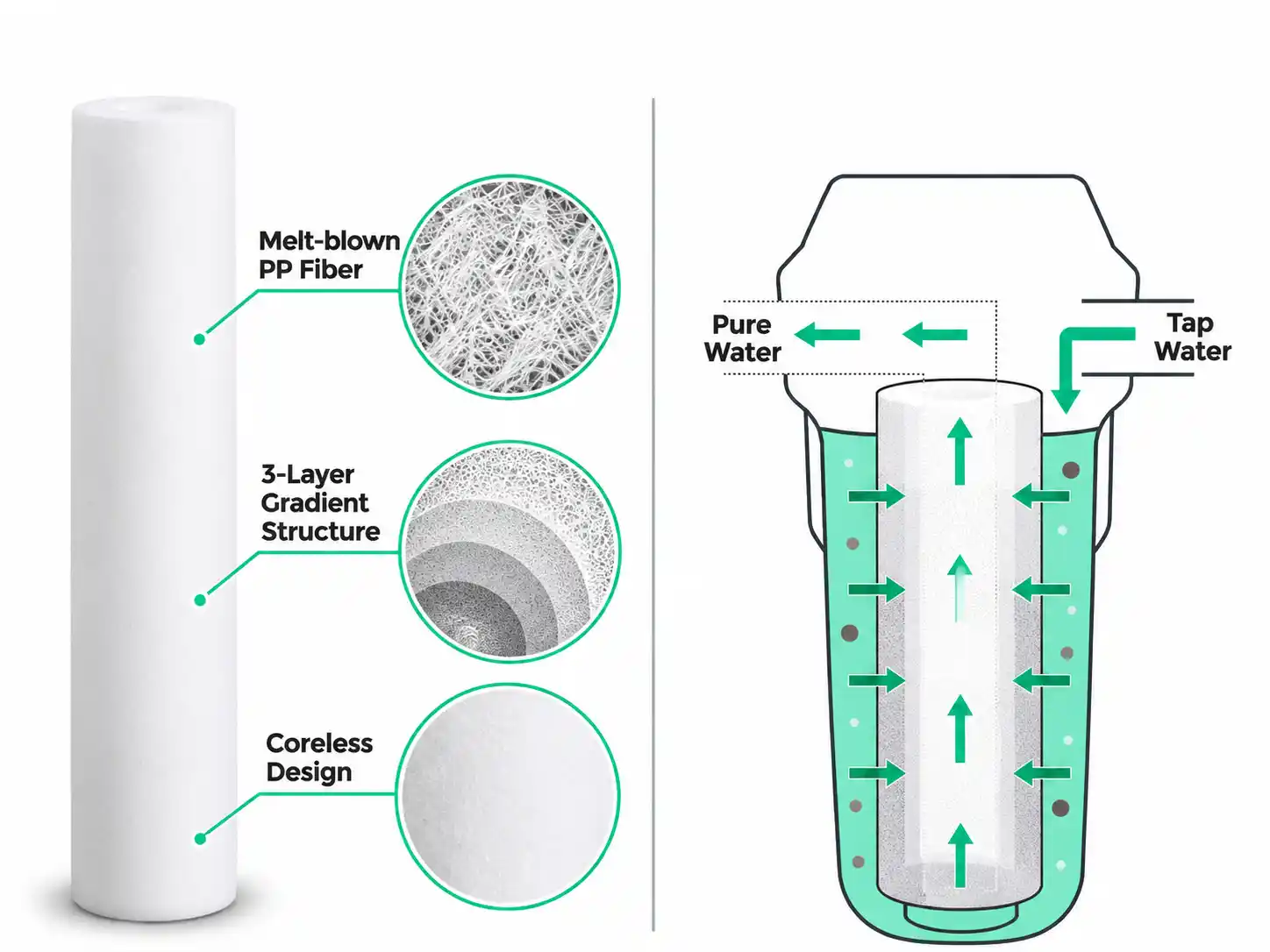
PP melt-blown cartridge filters are designed to effectively remove agglomerated particles and gel contaminants from various chemical mechanical polishing (CMP) slurries while retaining functional abrasive particles and maintaining their original particle size distribution.
Featuring a unique 3D composite structure and tapered pore design, the filter combines graded-depth polypropylene media with two functional layers. The outer layer consists of continuous melt-blown fibers, maximizing dirt-holding capacity, extending service life, and reducing operating costs. The inner layer features nano-fiber-wrapped media, delivering high contaminant removal efficiency and reliable filtration performance.
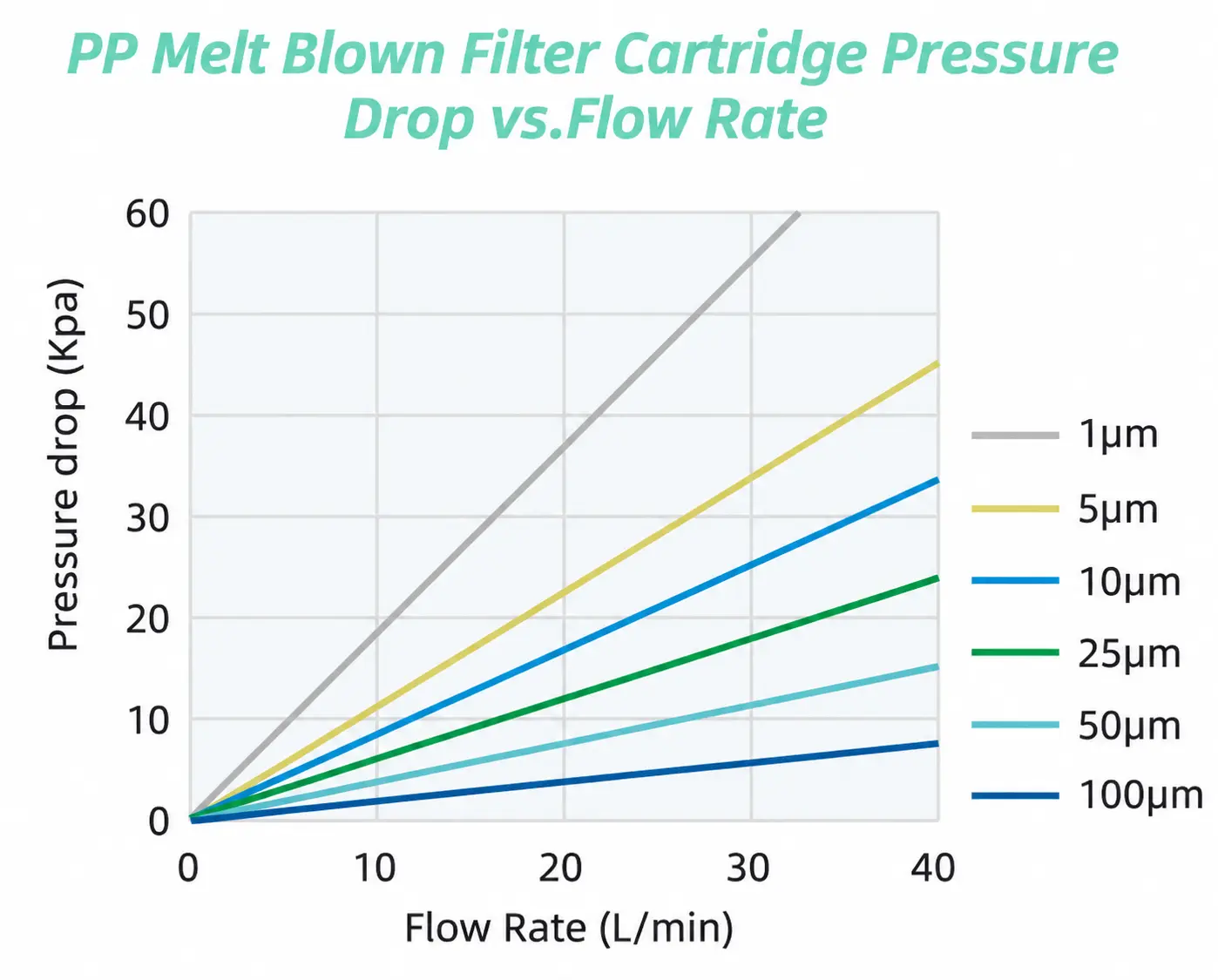
Performance Data
Specifications
PORE RATING
- 1, 5, 10, 20, 25, 50 µm
Materials
- Filter Media
- Support
- Diameter
- Double O-ring / Flat Gasket
- Length
- Polypropylene
- Polypropylene or None
- 10/28/30 mm (ID), 43/63/115 mm (OD)
- Silicone/EPDM/Viton/NBR
- 5" (127 mm) / 10" (254 mm) / 20" (508 mm) / 30" (762 mm) / 40" (1016 mm)
Maximum operating conditions
- Maximum forward differential pressure: 4.0 Bar, 25°C
- Maximum operating temperature: 65°C (149°F)
Indirect food additive
- Meets the FDA Indirect Food Additive requirements cited in 21 CFR 177-182
Food contact material
- (EU) No. 1935/2004, (EU) No. 10/2011
Quality
- Manufactured in accordance with ISO 9001 and ISO 13485 certified quality management system
Order Guide Information
| Please choose: | Surface | Inner Core | Retention rating (µm) | Diameter | End Cap | Length (inch) | O-Ring | |
|---|---|---|---|---|---|---|---|---|
| F:Smooth | N:no core | 01:1 um | A=ID(20mm); OD(43mm) | Blank = DOE | 5 | Silicone | ||
| G:Groove | W:with core | 05:5 um | B=ID(28mm); OD(63mm) | D=DOE with Gasket | 10 | EPDM | ||
| M:Mini Groove | 10:10 um | C=ID(28mm); OD(115mm) | 222/Fin | 20 | Viton | |||
| O:Orange | 20:20 um | D=ID(30mm); OD(63mm) | 222/Flat | 30 | NBR | |||
| R:Rough | 25:25 um | Customized | 226/Fin | 40 | ||||
| 50:50 um | 226/Flat |
Date Sheet
Product Documentation
Published APR 12, 2024
PP melt blown filter cartridge
Download PDF
Frequently Asked Questions
What Are the Key Differences Between Melt Blown Filters and String Wound Filters?
Melt blown filters are made from thermally bonded polypropylene fibers, forming a graded-depth structure that captures particles throughout the filter media. String wound filters use tightly wound yarn to create a depth filtration structure. Melt blown filters offer uniform fiber distribution, while string wound filters provide customizable winding patterns.
What Is the Difference Between Spunbond and Meltblown?
Spunbond and meltblown are two different nonwoven manufacturing processes. Spunbond uses continuous polymer filaments to produce strong, relatively coarse fabrics, while meltblown uses fine microfibers to create a dense filtration medium. Meltblown materials generally provide finer particle capture and are widely used in filtration applications.
What Is the Principle Behind Melt Blown Cartridge Filters?
Melt blown cartridge filters operate through depth filtration. Their graded-density structure features larger pores on the outside and smaller pores toward the inside. As liquid flows through the media, larger particles are captured near the surface, while finer contaminants are trapped deeper within the filter.
How Often Do Melt Blown Cartridge Filters Need Replacement?
Melt blown cartridge filters should be replaced when differential pressure reaches the manufacturer’s recommended limit, flow rate decreases significantly, or filtration efficiency can no longer meet process requirements. Replacement frequency depends on contaminant concentration, operating conditions, micron rating, and filtration system design rather than a fixed schedule.
How Can I Ensure Optimal Performance of Melt Blown Cartridge Filters?
To ensure optimal performance, select the correct micron rating, filter length, and connection type for your application. Verify chemical compatibility, maintain recommended flow rates and operating pressure, and monitor differential pressure regularly. Proper prefiltration and timely replacement also help extend service life and maintain consistent filtration efficiency.
Pleated Filter Cartridges Compliance
- USP Class VI - Plastics
- ISO 9001 & ISO 13485
- Regulation (EC) 1935/2004
- FDA Compliant Materials