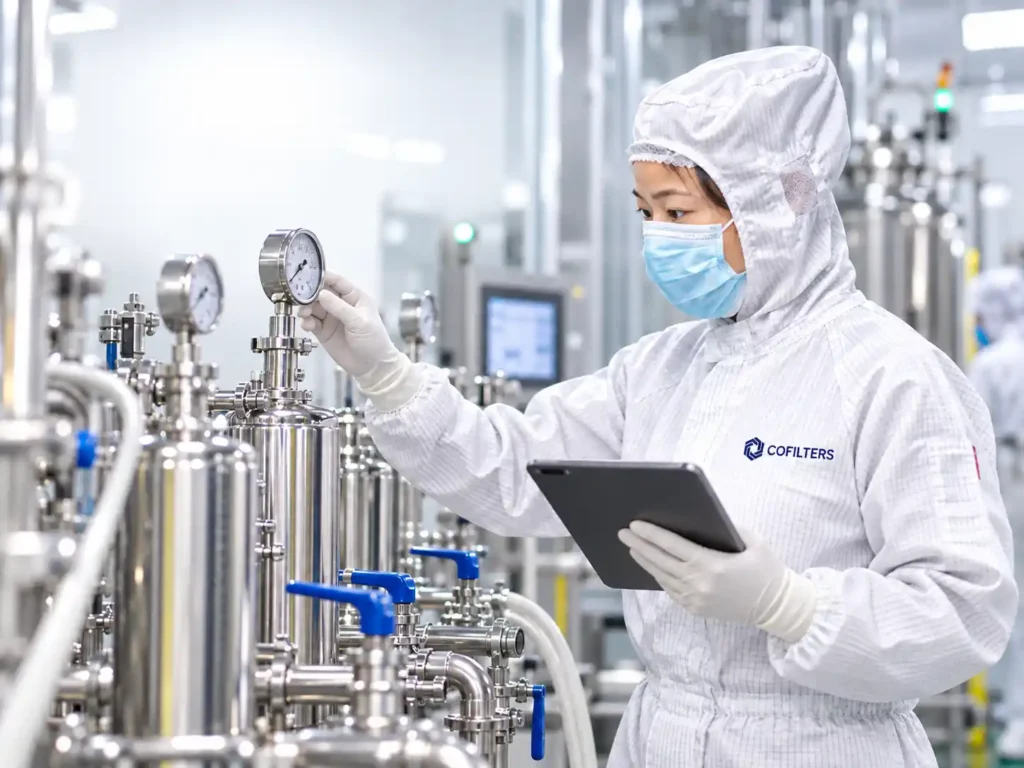
Lenticular filter modules cartridges
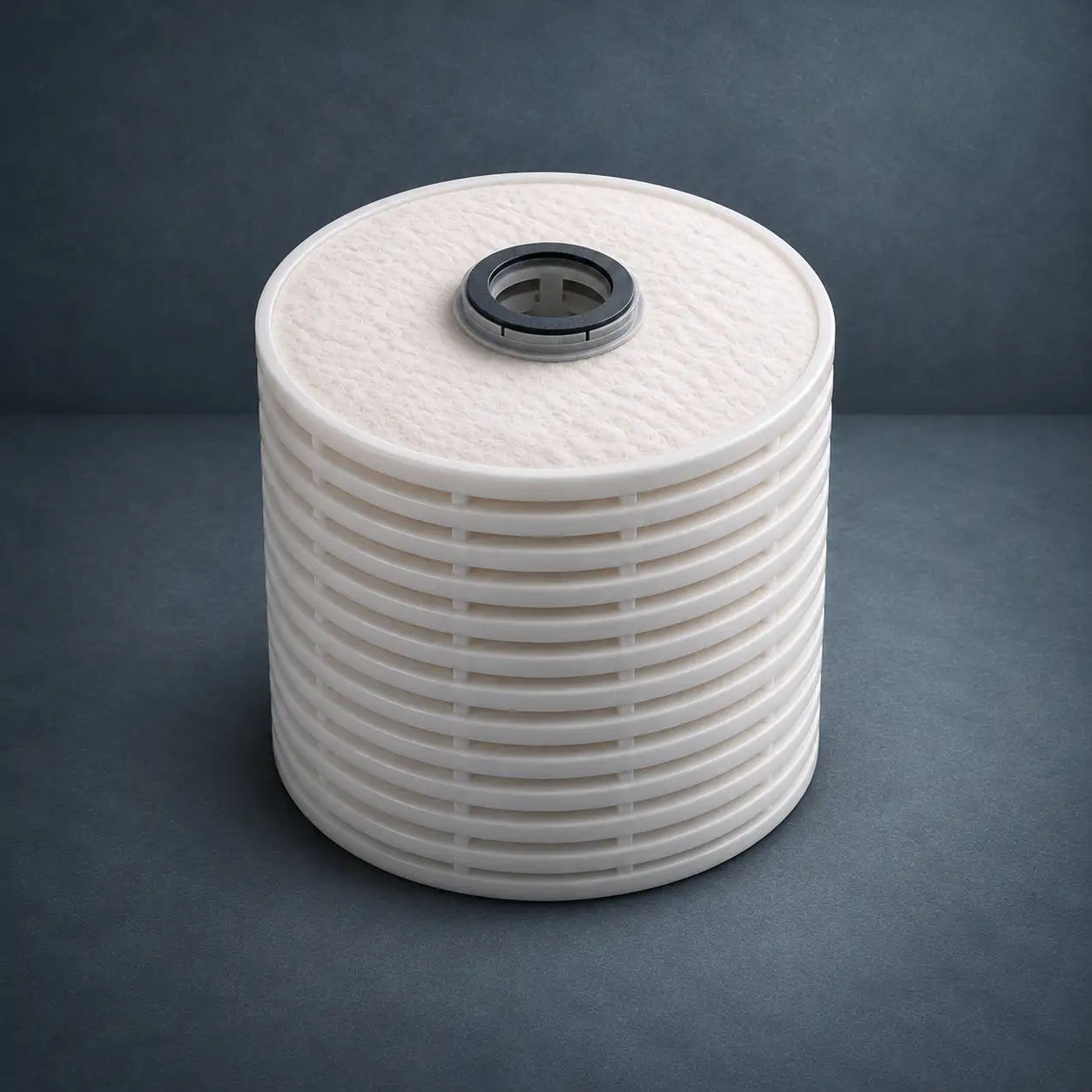
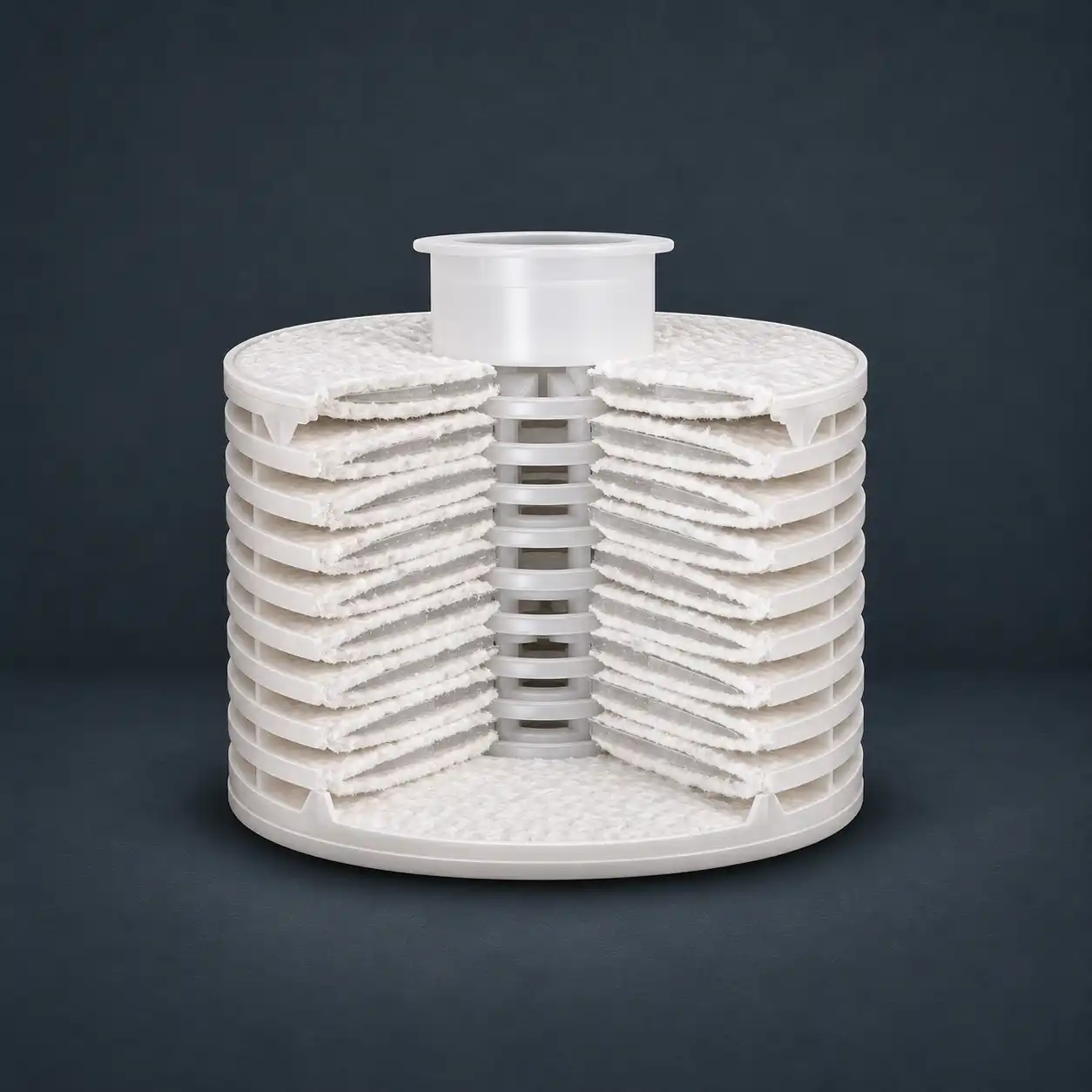
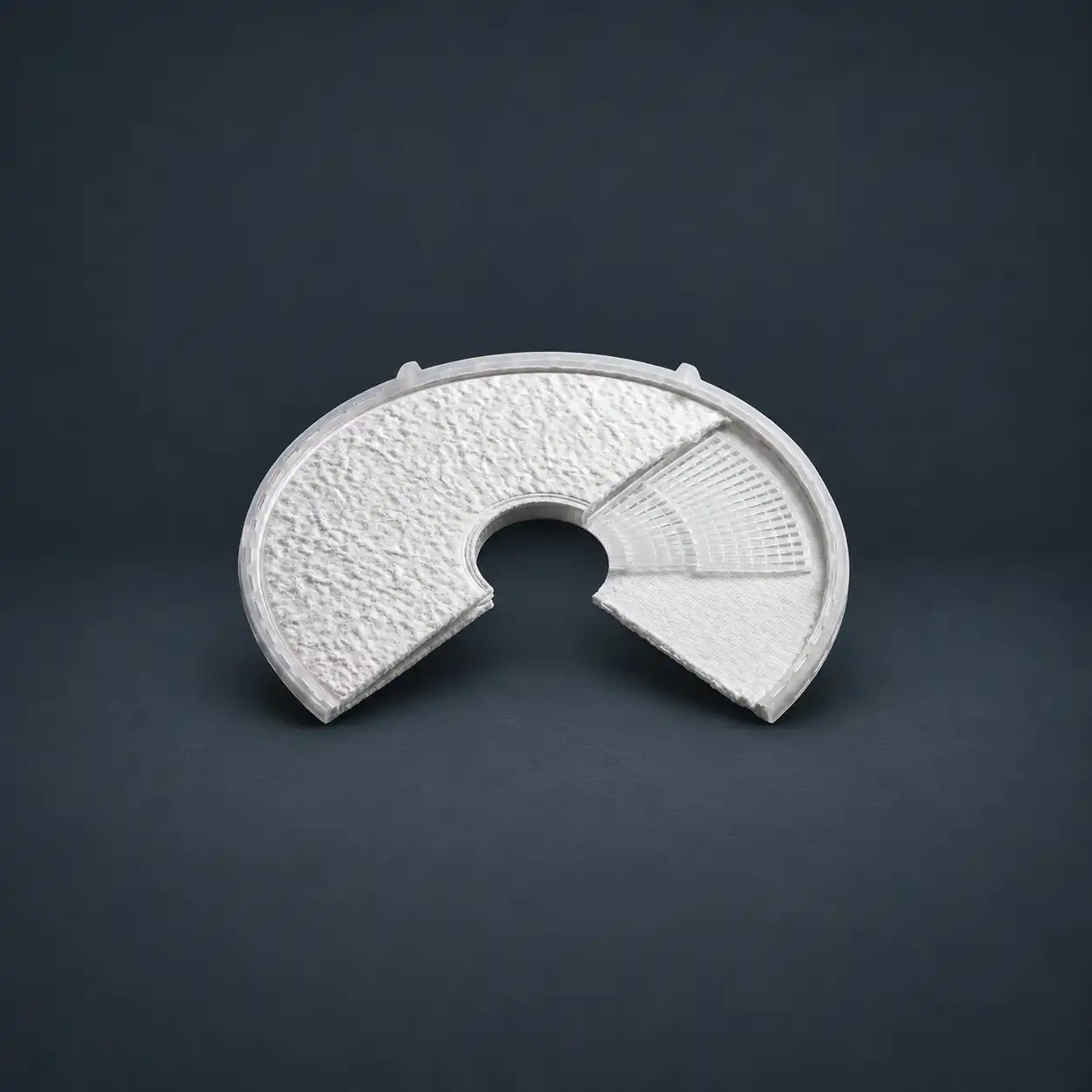
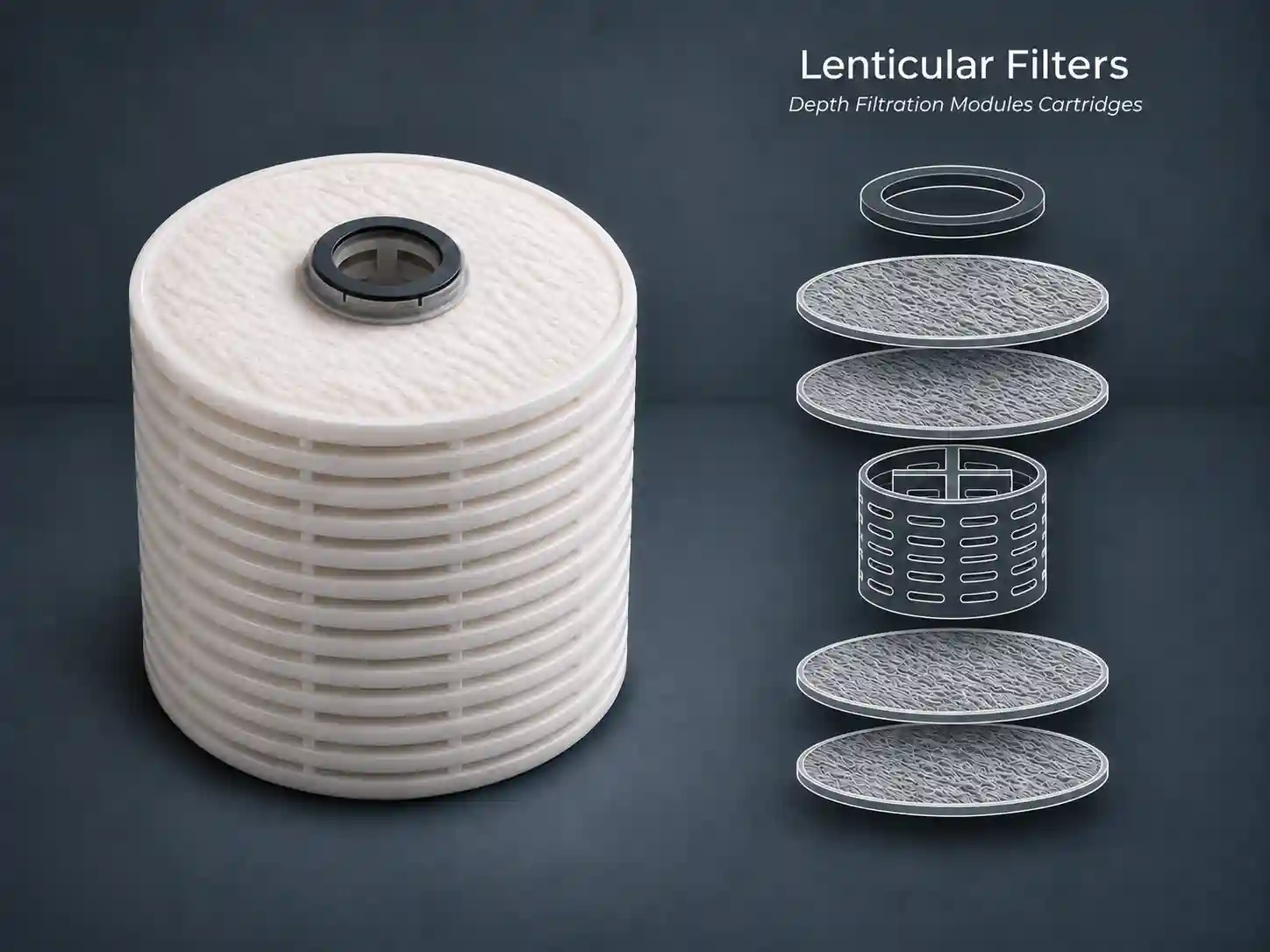
Lenticular filters are modular depth filtration systems built from individual filter cells stacked around a central core inside a sealed housing.
- A large filtration area and high dirt-holding capacity support longer operating cycles while maintaining a low pressure drop.
- Available in cellulose, carbon, and synthetic media, these filters come in configurations that fit DOE, SOE, and sanitary housings.
- Available in micron ratings from 0.2 to 30 μm, these filters fit selected industry-standard housings and remove fine particles and sediment, with microbial retention depending on the filter grade and validated performance.
- Depth filtration solutions featuring depth filter sheets, filter paper sheets, and filter pads for reliable liquid clarification.
- Combine the high clarification capacity of plate-and-frame depth filter sheets with the ease of handling and reduced exposure of an enclosed cartridge system.
- For compatible Pall housings, these filters offer easy installation and consistent performance while helping minimise downtime.
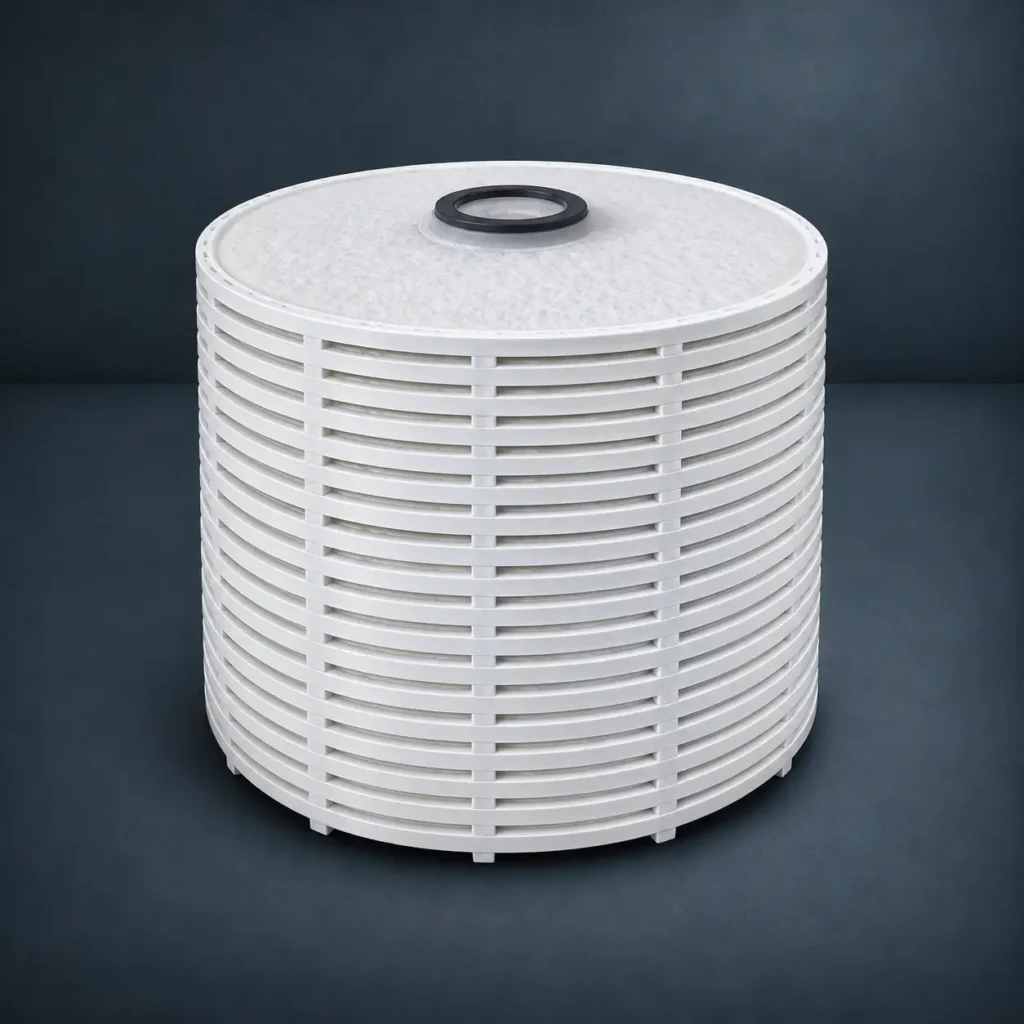
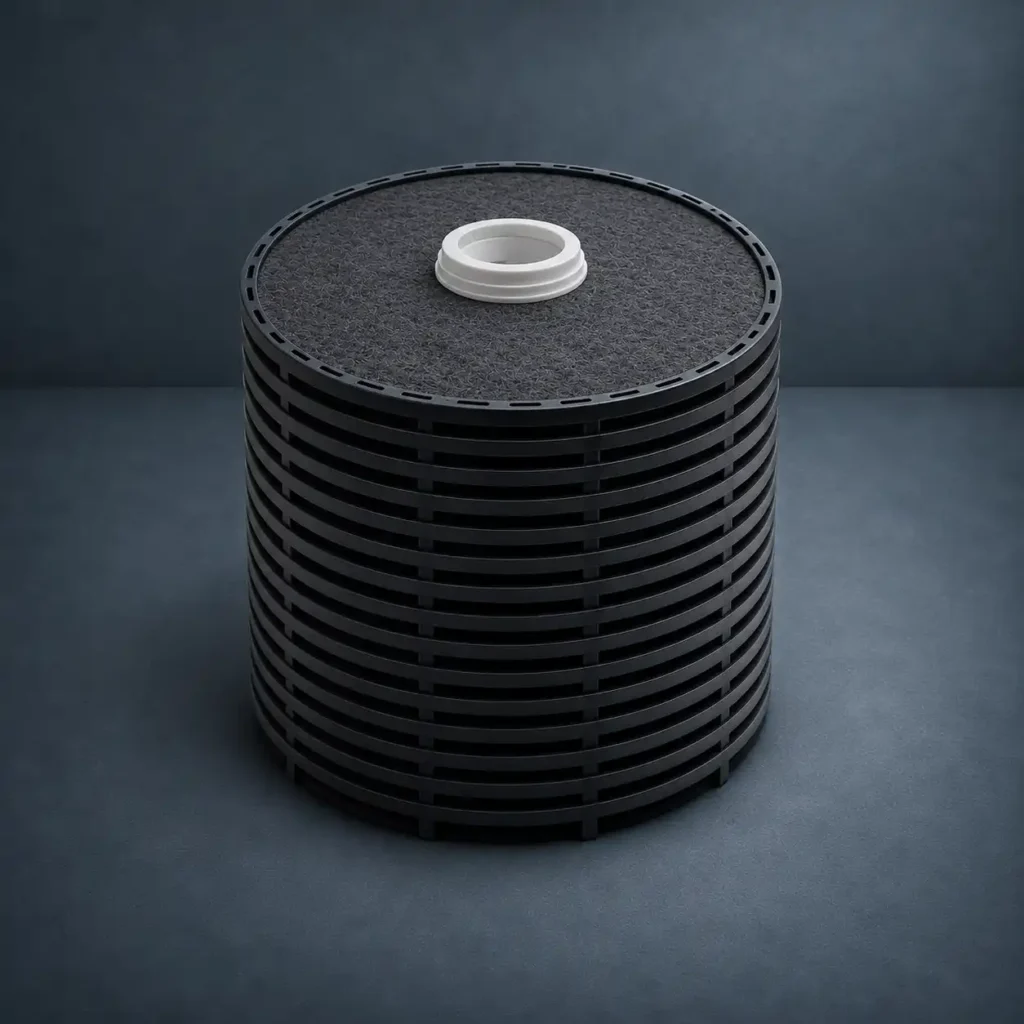
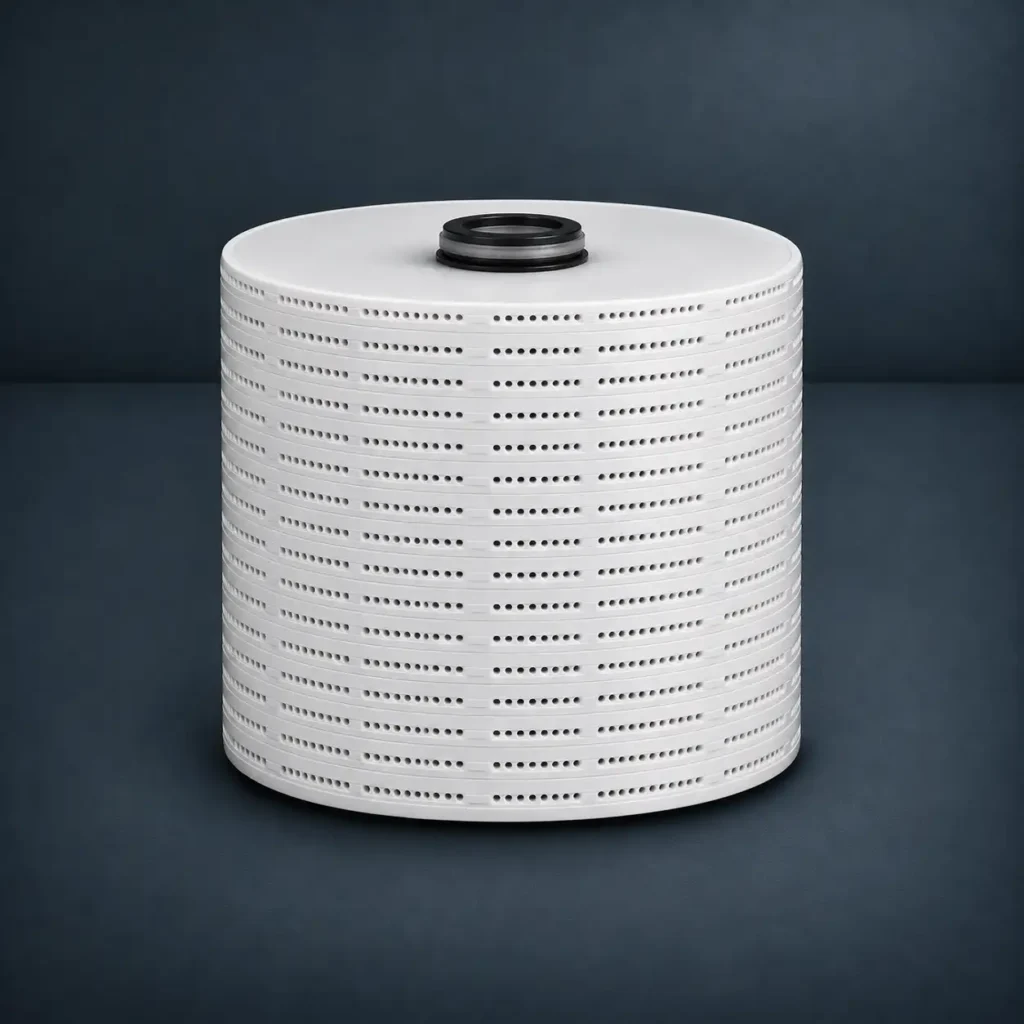
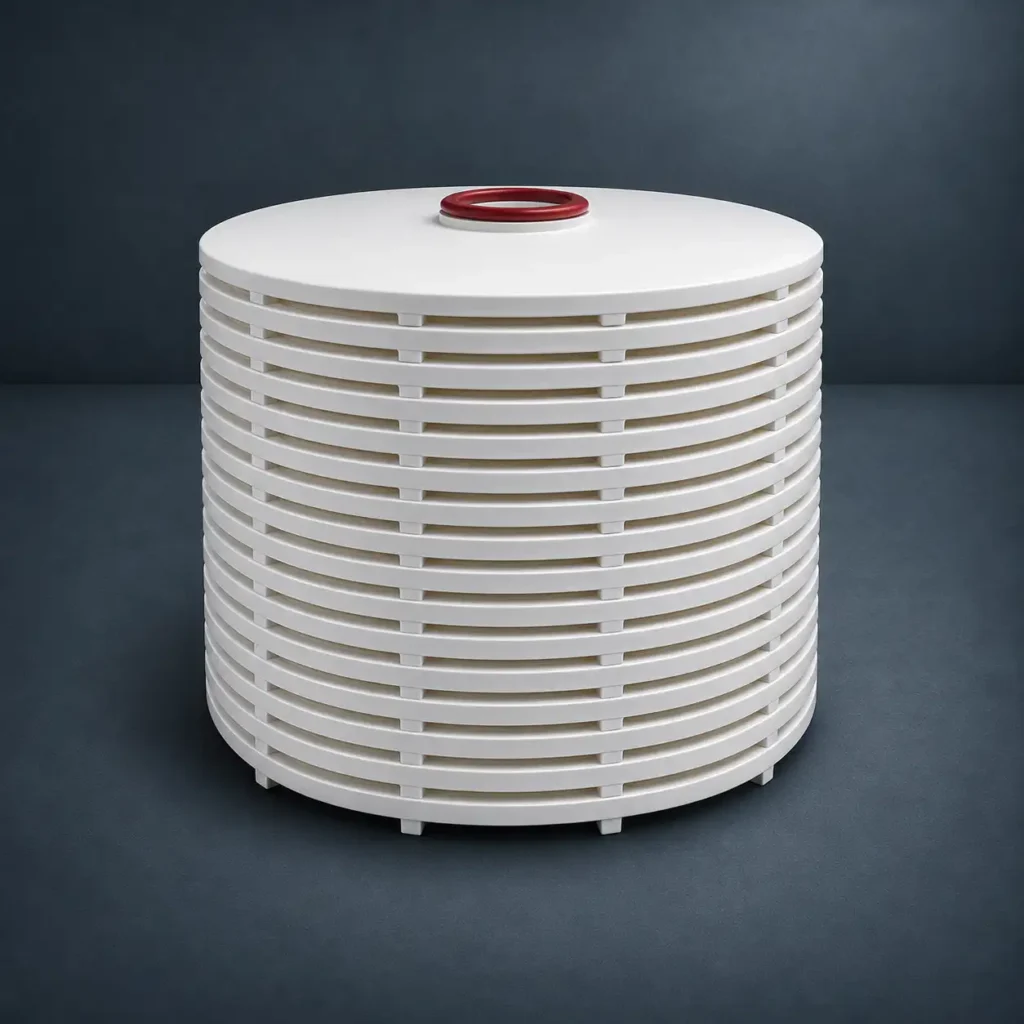
APPLICATIONS
lenticular filtration
- Beverage filtration – Antibiotic, wine, beer, juice, spirits
- Clarification & Purification of Process Liquids
- RO pre-filtration, polishing filters
- Animal vaccines, biologics, cell culture lysates, peptide APIs
- Specialty chemicals, solvents, resins
- Decolorization & Odor Removal
Benefits
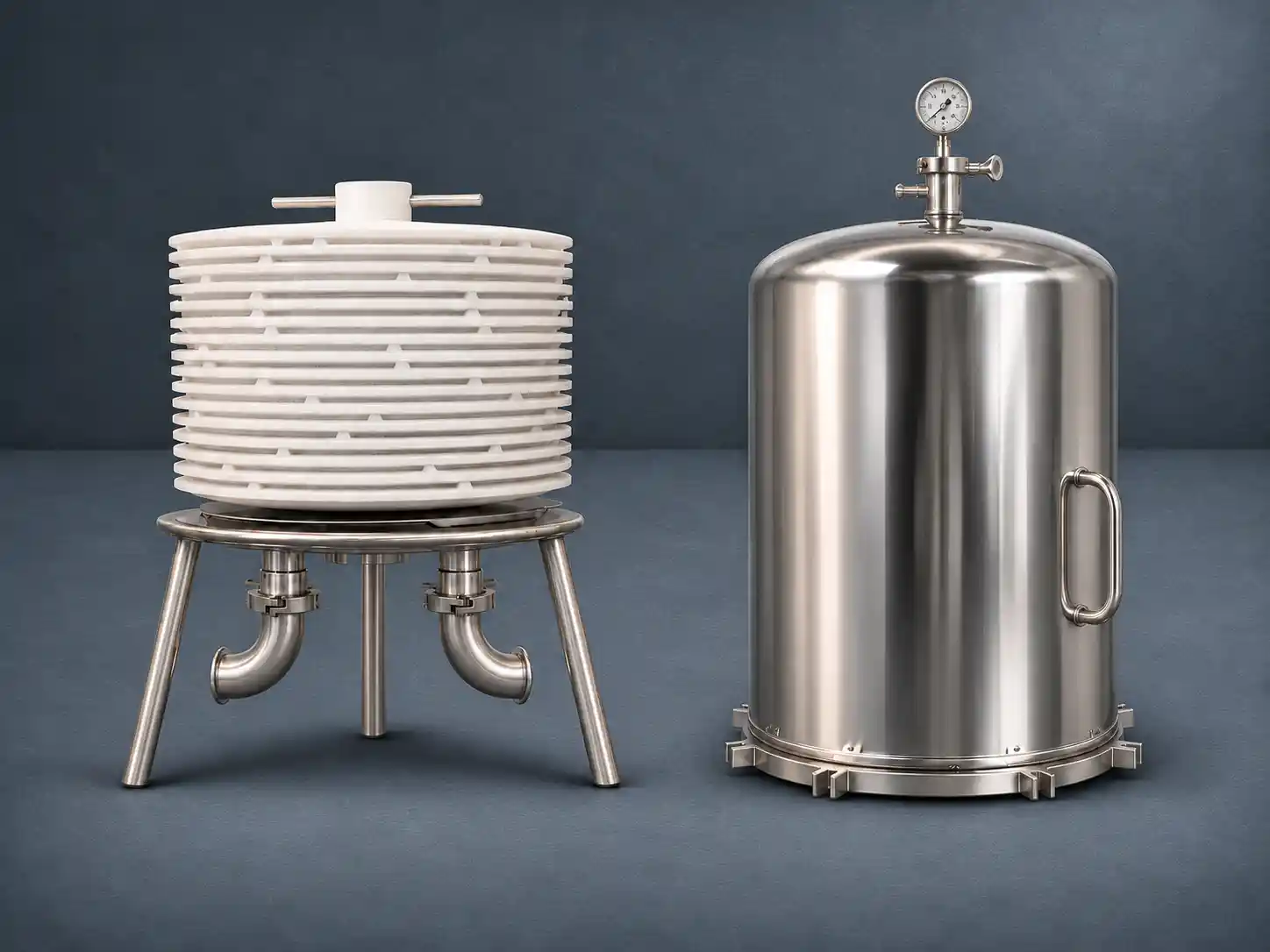
lenticular filter housing
- High Flow Capacity
- Scalable Capacity
- Quick Changeouts and Easier Maintenance
- Compact Footprint
- Enclosed Processing
- Lower Initial Equipment Cost
How Does a Lenticular Filter Work?
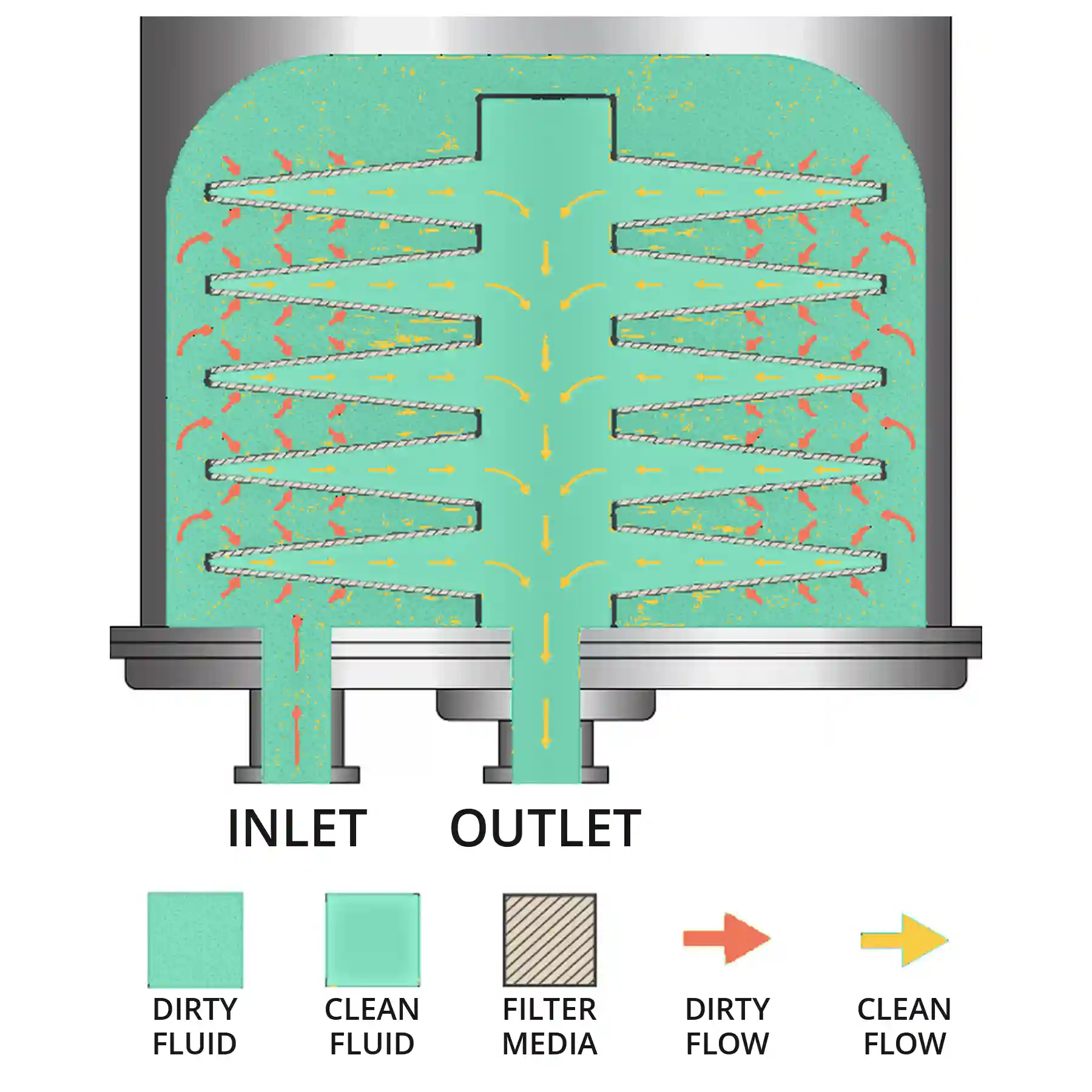
Lenticular filters use an outside-in flow pattern. Unfiltered liquid enters the housing under pressure and surrounds the stacked filter cells. The pressure difference across each cell drives the liquid inward through the depth filter media.
The media contains a network of winding passages, often called tortuous paths. As liquid moves through these passages, suspended particles can be captured at different depths within the media.
The filtered liquid then flows into the central core, which collects the filtrate from each cell and directs it to the lenticular housings outlet.
Specifications
Retention rating
- 8/12/15/16 layers
- 0.2 - 30 µm
Materials
- Filter Media
- Support
- Diameter
- Double O-ring / Flat Gasket
- Sealing technology
- Pure cellulose, activated carbon, Resins etc
- Polypropylene
- 8'',12'',16''
- Silicone/EPDM/Viton
- Thermal bonding without adhesives
Maximum operating conditions
- Maximum forward differential pressure
- Maximum operating temperature
- 2.5bar(23°C), 1.0bar(80 °C)
- 80°C (176°F)
Multiple sterilization cycles
- 20 cycles of steam-in-place (SIP) sterilization or autoclave, 30 min at 127°C (261°F)
Endotoxin releasing
- <0.25 EU/mL as determined by the LAL test
TOC
- <0.5 mg/L after a water flush of 11 L/10" cartridge
Conductivity
- ≤1.3 µS/cm after water flush of 11 L/10" cartridge
Particle release
- Meets the requirements of WFI set by USP
Non-fiber releasing
- Meets the criteria for a non-fiber releasing filter defined in 21 CFR 210.3(b)(6)
Extractables
- Tested according to USP. Report is available upon request
Material toxicity
-
All components meet the requirements of the USP <88> Reactivity Test for Class VI Plastics
Filters meet the requirements of USP <87> Biological Reactivity Tests in Vitro Cytotoxicity
Bacterial challenge test
- Filters with the claim passed the bacterial challenge testing using Brevundimonas diminuta (ATCC 19146) at a minimum challenge concentration 1x10⁷ CFU/cm2 (0.22 µm) per ASTM methodology.
Indirect food additive
- Meets the FDA Indirect Food Additive requirements cited in 21 CFR 177-182
Food contact material
- (EU) No. 1935/2004, (EU) No. 10/2011
Quality
- Manufactured in accordance with ISO 9001 and ISO 13485 certified quality management system
Date Sheet
Product Documentation
Published JUNE 12, 2025
Lenticular filter modules cartridges
Download PDF
Frequently Asked Questions
Can you reuse a lenticular filter?
A pleated filter cartridge is a filtration element made from folded filter media that increases surface area within a compact design. It provides efficient particle removal, high dirt-holding capacity, and low pressure drop.
When should you replace a lenticular filter?
Replace a lenticular filter when it reaches the manufacturer’s differential pressure limit (typically between 1.5 to 2.5 bar (22-36 psi)), can no longer maintain the required flow, or produces filtrate that falls outside your quality specification. If the module supports regeneration, replace it when an approved cleaning cycle fails to restore acceptable performance.
Can Cofilters lenticular filters be backwashed?
Backwashing should be used only on Cofilters lenticular modules explicitly approved for reverse flow. Ask Cofilters to confirm compatibility for your exact module code, media grade, and housing configuration. Before backwashing, obtain the applicable pressure and temperature limits and confirm whether the module requires support plates.
How do I select the right grade of lenticular filter module?
Start with the liquid’s solids load and the clarity you need. Choose a coarser grade for bulk solids removal or a finer grade for polishing. Test the grade on a representative sample to confirm filtrate clarity, throughput, and pressure drop before committing to full-scale production.
Pleated Filter Cartridges Compliance
- USP Class VI - Plastics
- ISO 9001 & ISO 13485
- Regulation (EC) 1935/2004
- FDA Compliant Materials