Wine Filters
Better Clarity, Stability, Longer Shelf Life
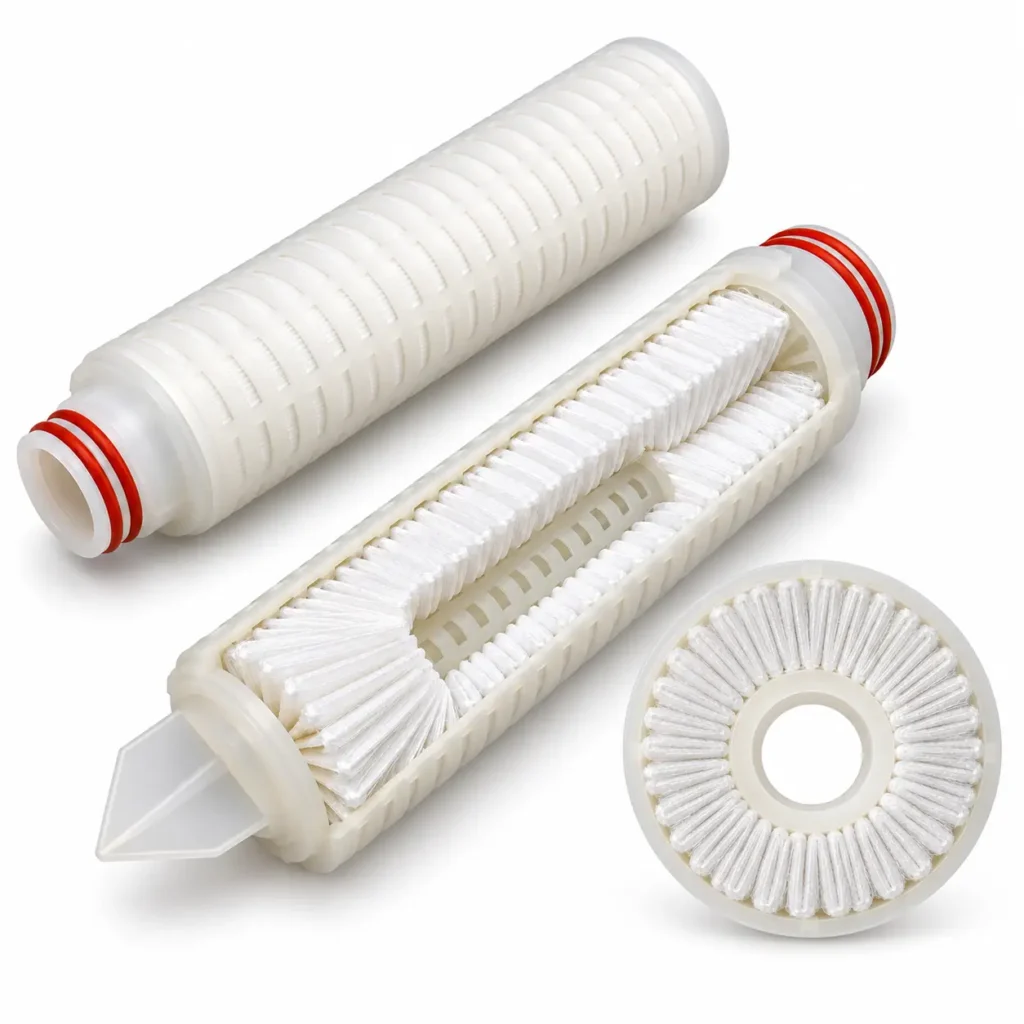
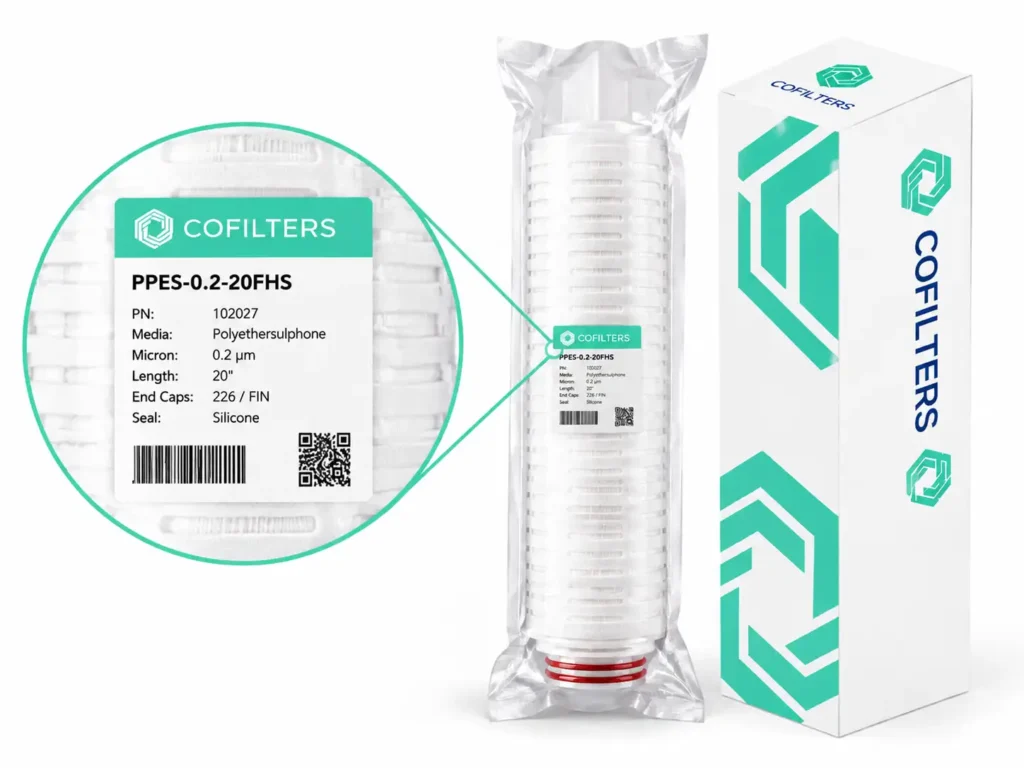
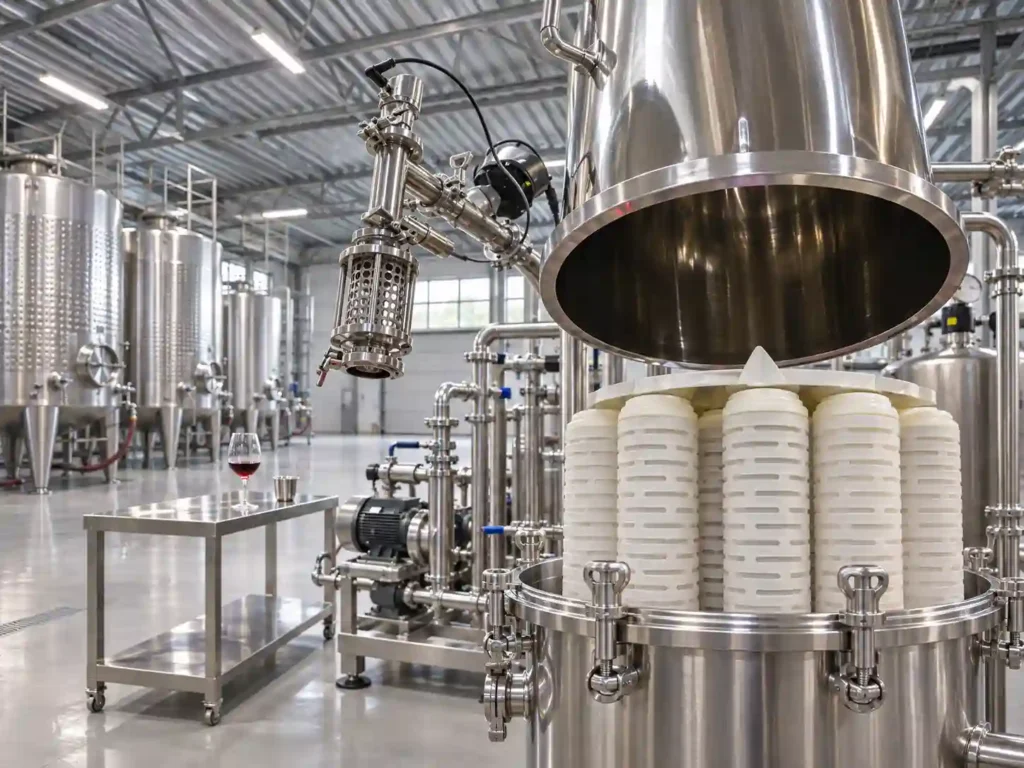
Cofilters supplies commercial wine filters for clarification, prefiltration, and final membrane filtration. Our pleated filter cartridges are available in multiple media, micron ratings, lengths, and end-cap configurations, giving distributors options for different wine styles and existing filter housings. A suitable prefilter helps capture sediment and suspended particles, reducing the load on the final filter. Before bottling, a membrane filter with validated microbial retention can help control spoilage yeasts and bacteria without heat treatment, supporting wine freshness and stability.
We help wine facility match each filter to the winery’s process and equipment. Whether your customer needs replacement cartridges for an existing wine filtration system or is specifying filters for a new bottling line, we can review the filtration stage, target flow rate, cartridge dimensions, and housing connection. With those details, you can quote a cartridge that fits the application and give your winery customer a clear basis for a production trial.
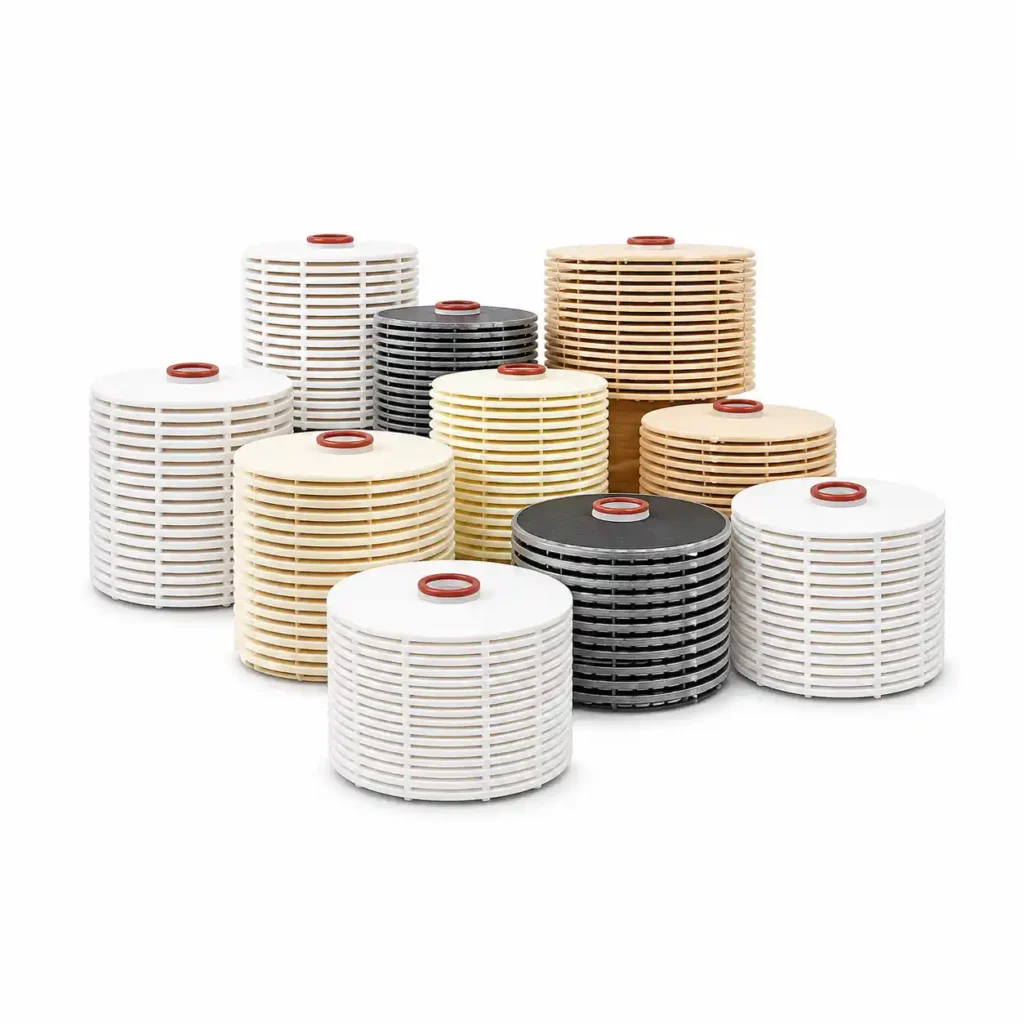
- Depth Filtration
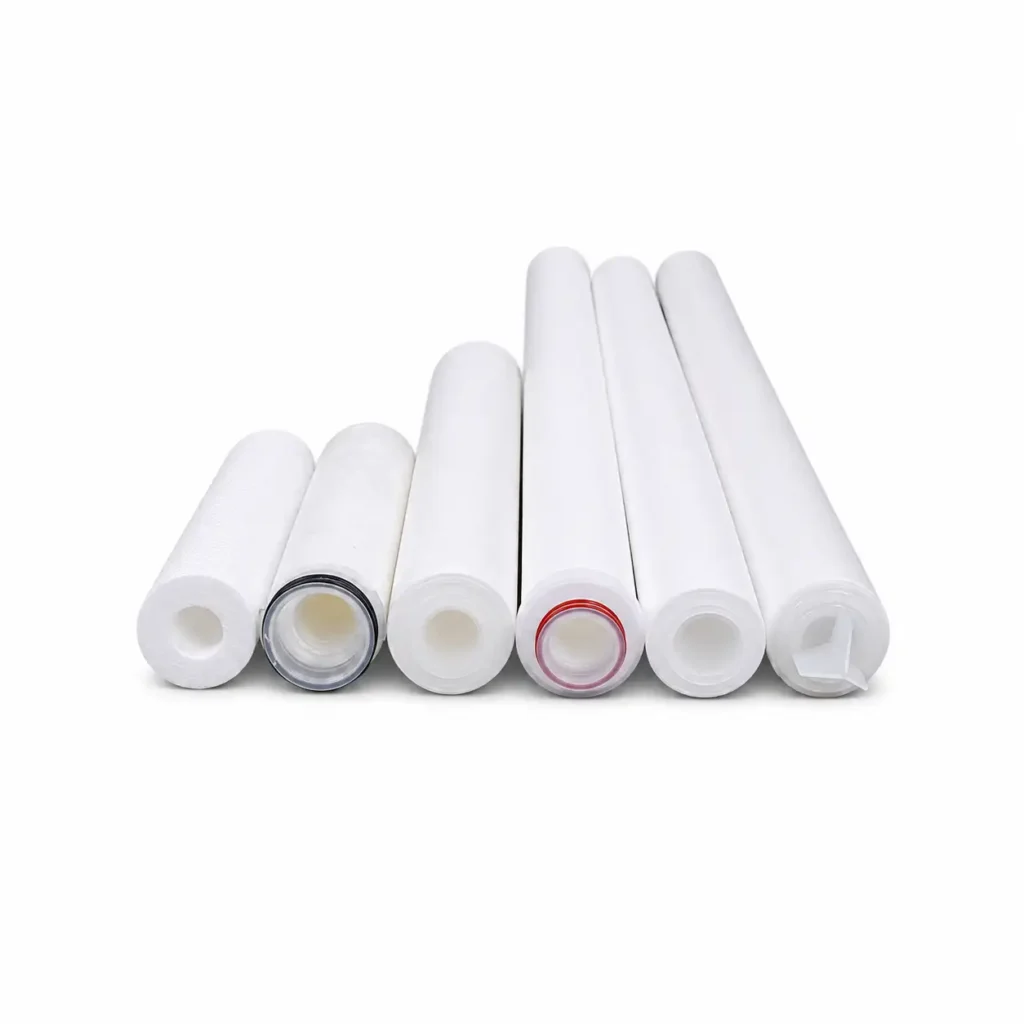
- Prefiltration
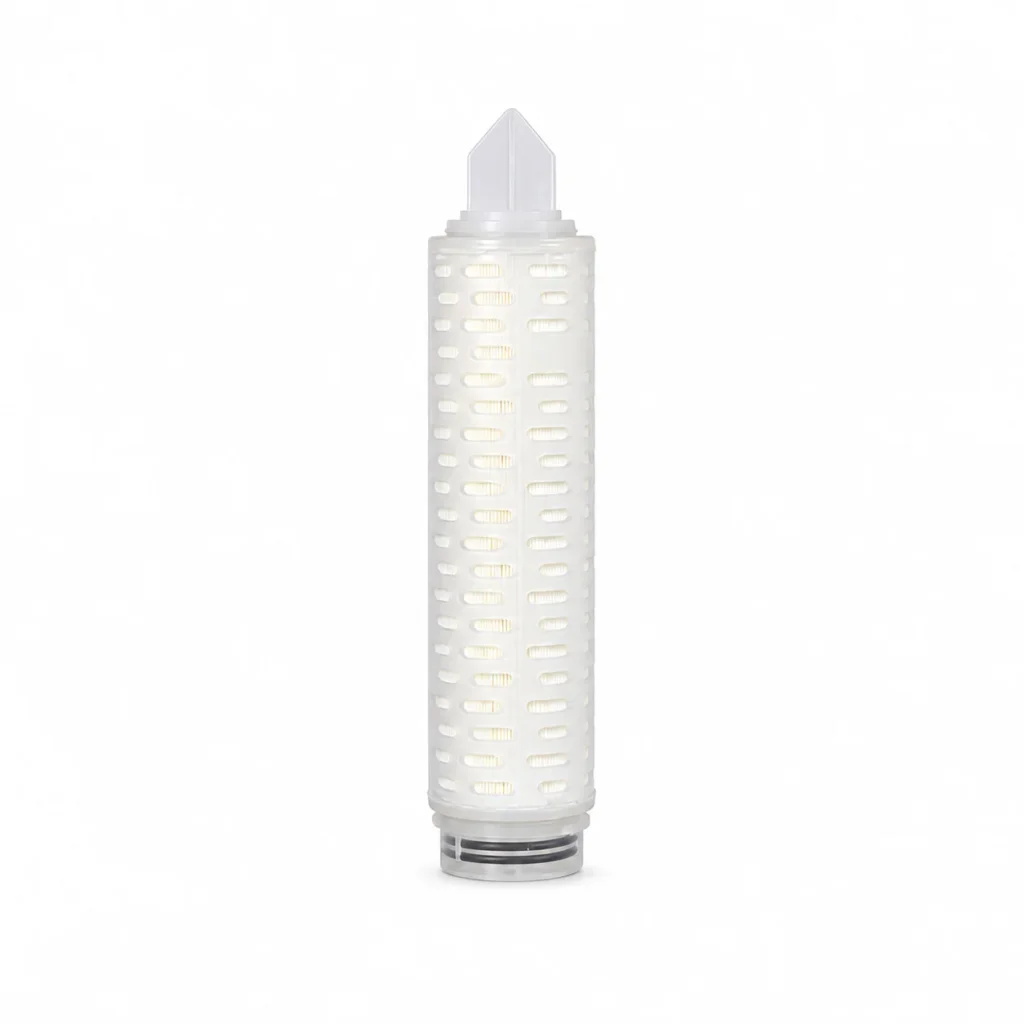
- Fine Filtration
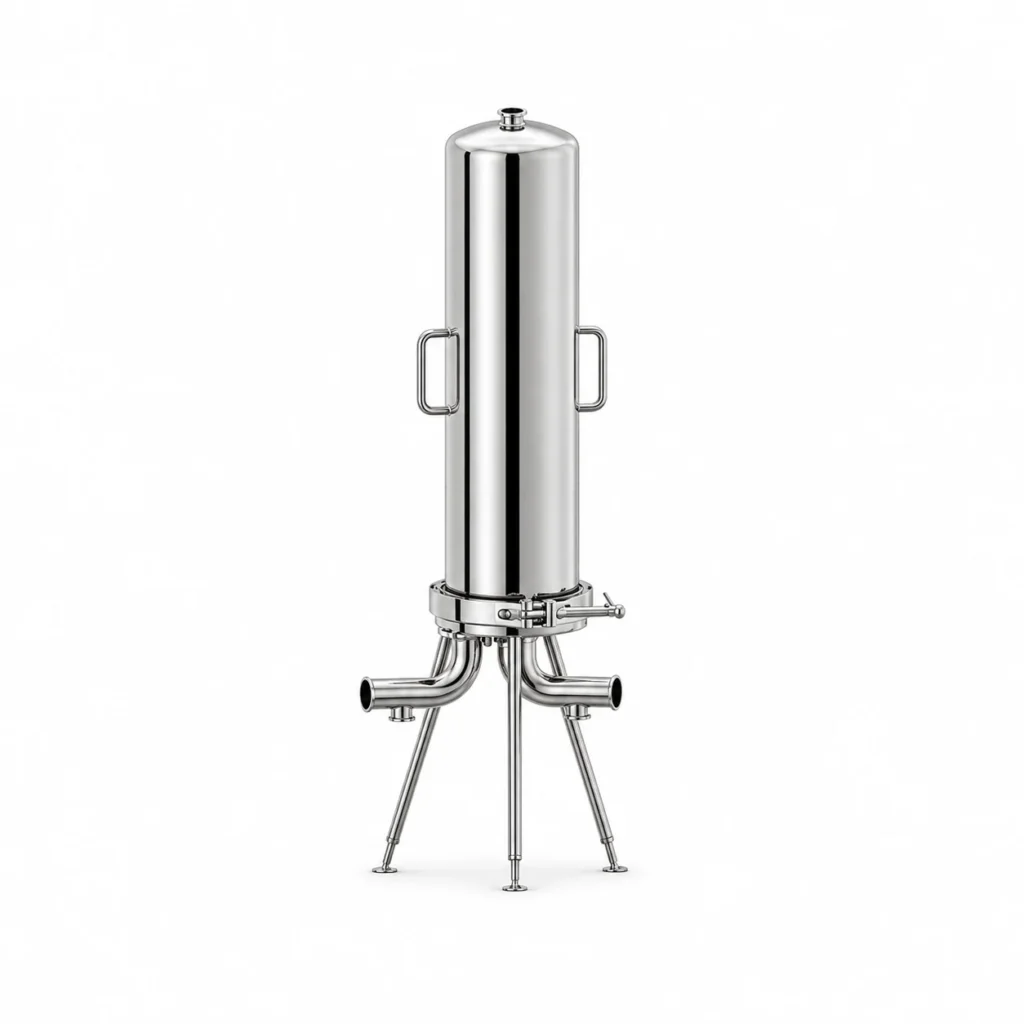
- Final filtration
After pressing, coarse filtration removes larger solids such as grape skins, seeds, and pulp. This reduces the load on downstream equipment and prepares the wine for further clarification while preserving its flavour and structure.
Aged red wines: Use 3 or 5 μm absolute-rated PP cartridges to help reduce the risk of bottle sediment.
Red wines for early release: Use a 3 μm absolute-rated PP cartridge for prefiltration.
White wines: Prefilter with a 1.0 μm PP cartridge, followed by a 0.6 μm PP cartridge.
You can choose:
Prefiltration reduces fine particles and colloids before final filtration, helping limit clogging and pressure buildup. This keeps flow more consistent and extends final filter life.
You can choose:
Fine filtration reduces residual particles, yeast, and spoilage microorganisms. This improves clarity and supports shelf life while helping preserve the wine’s flavour and aroma.
You can choose:
Final filtration removes residual particles before bottling. A membrane filter with validated microbial retention helps reduce spoilage risk and keep the bottled wine clear and stable during distribution.
Red wines: A 1 μm pleated prefilter can help lower the filtration index. Verify Brettanomyces retention for the specific cartridge.
White wines: Use a 0.45 μm hydrophilic PES pleated membrane cartridge to support microbial stability at bottling.
You can choose:
But How we guaratnee Pleated Filter Cartridges quality?
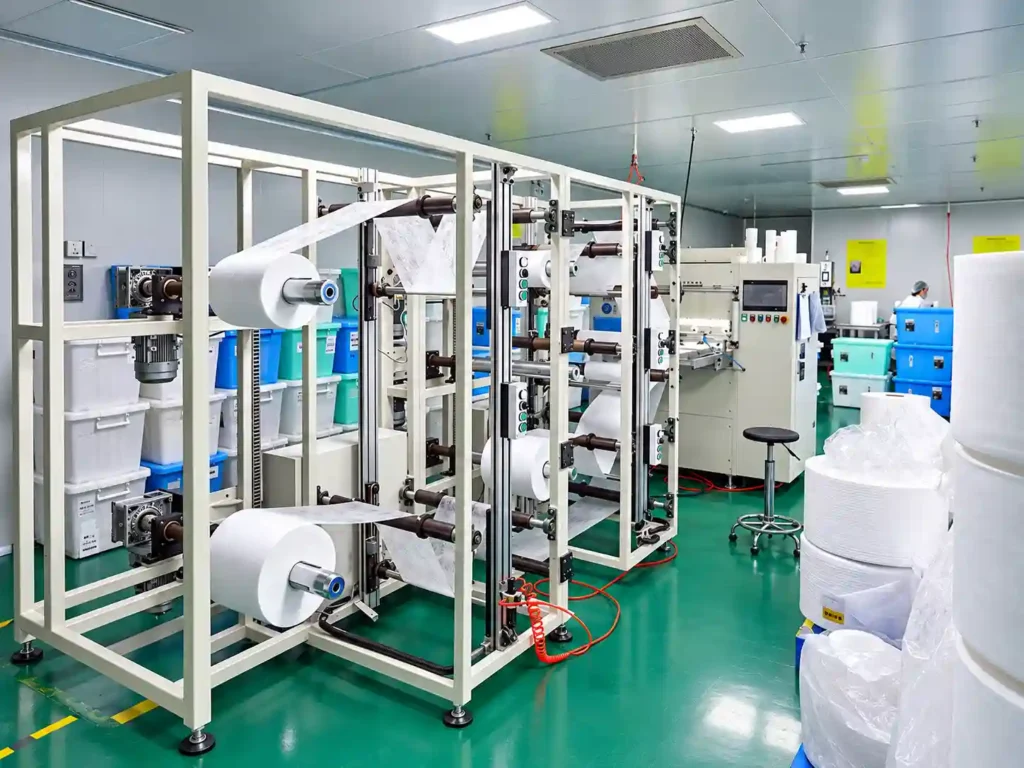
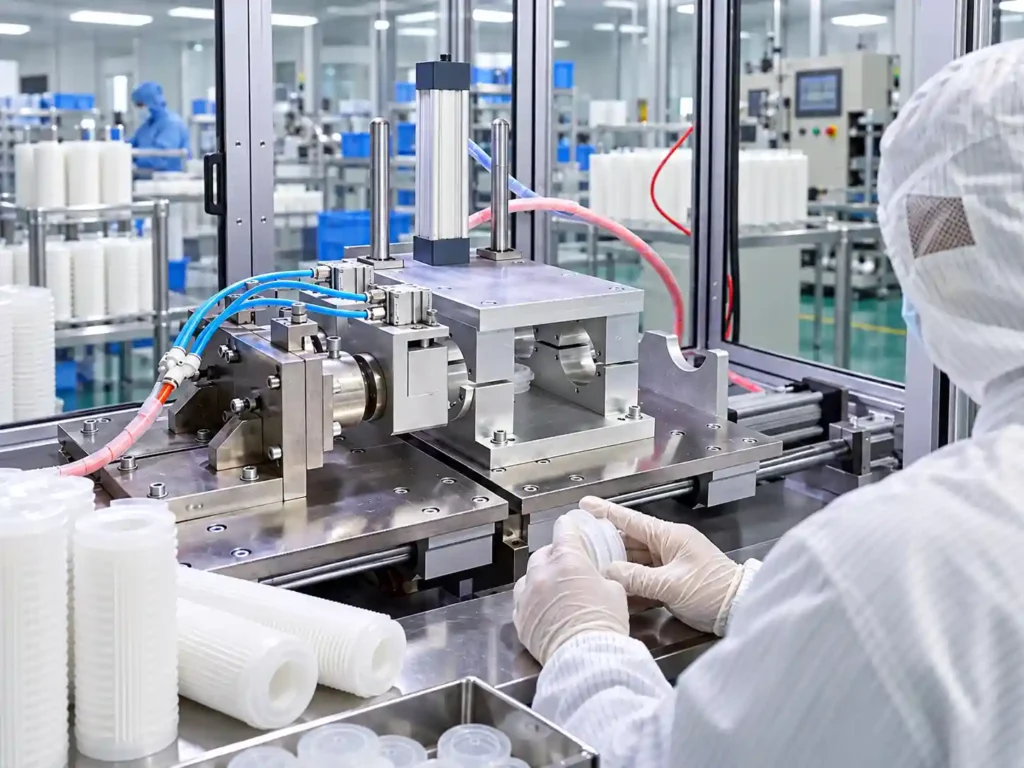
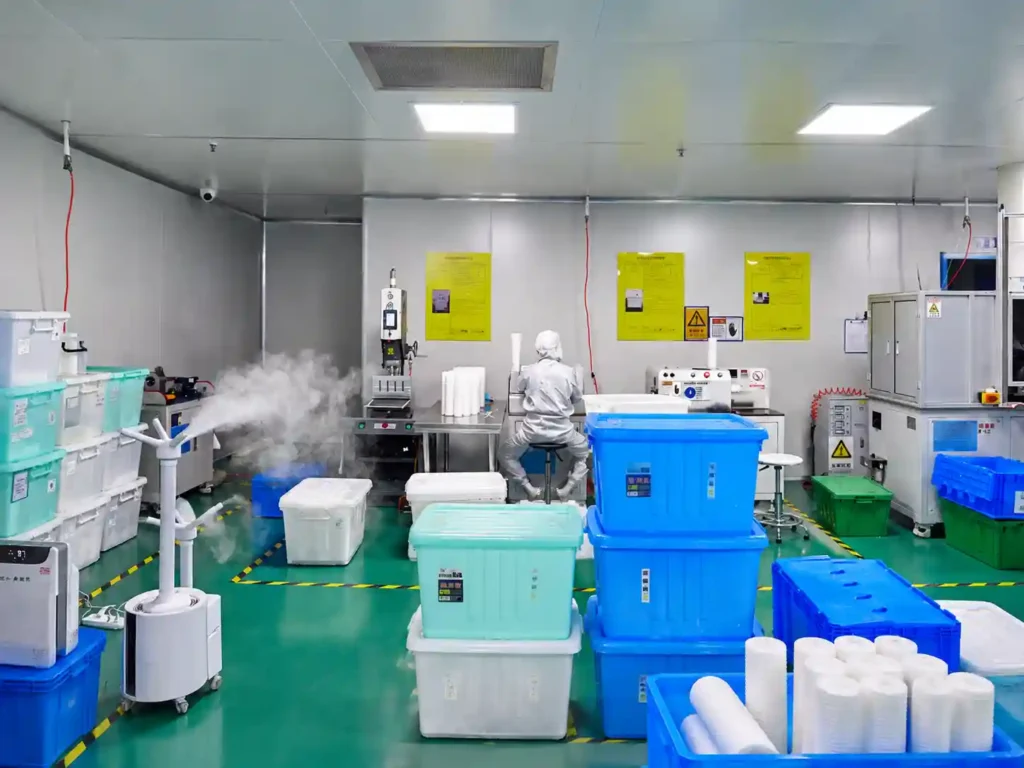
At Cofilters, quality control is integrated into every stage of manufacturing. Our goal is to deliver reliable filtration performance and consistent product quality for every order.
- Material Inspection
- Precision Pleating
- Reliable Assembly
- Pre-ship Inspection
Workers verify incoming filter media & component specifications.
We control pleat uniformity and filtration area for consistent performance.
We inspect end-cap bonding, sealing, and dimensional accuracy.
We verify filtration efficiency, flow rate, and pressure drop against product specifications.
Identification & Packaging
Lot Coded
- Laser etched lot code on membrane & Cryto cartridges
- Traceable back to raw materials
QR Code / Barcode
- Product traceability
- Links directly to further information for each product
Stock management integration
Four Protective Layers
- Vacuum sealed inner packaging
- Tough outer polybag layer provides additional protection
- Individual product boxes
- Heavy duty outer carton
Frequently Asked Questions
1. How can you remove sulfites from wine?
Standard wine filters do not reliably remove dissolved sulfites. Wineries can reduce free sulfur dioxide through controlled treatment where permitted, then measure free and total sulfur dioxide to verify the result. For lower sulfite levels, managing additions during winemaking is more practical than relying on filtration after bottling.
What is the process of wine filtration?
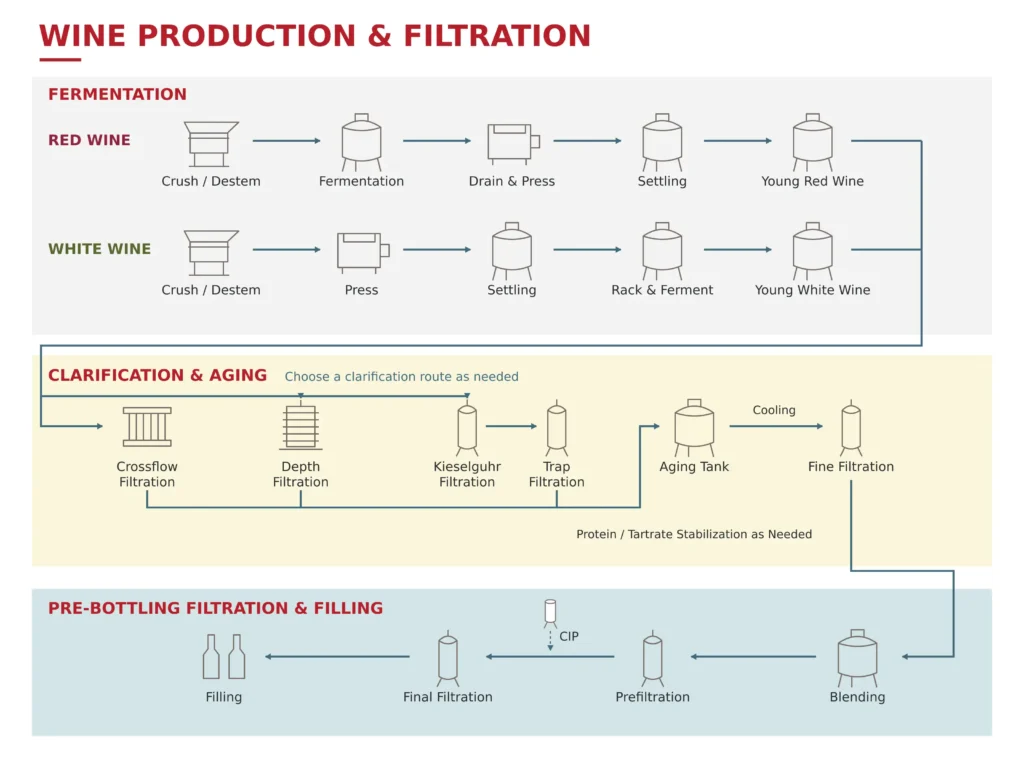
Wine filtration typically progresses from clarification to prefiltration and final filtration. Clarification reduces suspended solids and haze. Prefiltration captures finer particles and helps protect the final filter from clogging. Before bottling, wineries can use a membrane validated to retain target spoilage organisms when microbial stability is required.
What are the 7 steps of the winemaking process?
One common way to group winemaking is harvesting and sorting, crushing and destemming, pressing, fermentation, clarification and stabilisation, ageing, and bottling. The sequence varies by wine style. White grapes are typically pressed before fermentation, while red wines generally ferment on their skins and are pressed afterwards.
Can filtration correct wine colour or off-flavours?
Filtration can improve visual brightness by removing suspended particles, but standard filters generally cannot correct dissolved colour compounds or existing off-flavours. Wineries should identify the cause first. Depending on the defect, targeted fining may reduce excess colour or certain unwanted aroma compounds, with bench trials guiding treatment.
How do wineries prevent haze or sediment in bottled wine?
Wineries prevent haze and sediment by testing wine before bottling and treating the specific cause. Bentonite fining can reduce haze-forming proteins, while cold stabilisation can reduce the risk of tartrate crystals. Clarification and filtration remove suspended material, and microbial control helps prevent haze from developing after packaging.
How can wineries remove spoilage organisms before bottling?
Wineries can remove spoilage yeasts and bacteria by passing wine through a final membrane filter validated for the target organisms immediately before bottling. Prefiltration helps protect the membrane from fouling. Filter integrity testing and a sanitised bottling line help verify filter performance and reduce the risk of recontamination.
Compliance
- USP Class VI - Plastics
- ISO 9001 & ISO 13485
- Regulation (EC) 1935/2004
- FDA Compliant Materials