Syringe Filter Supplier In China
Choosing the wrong syringe filter can lead to sample loss, slow filtration, or unreliable test results. Cofilters helps laboratories and pharmaceutical manufacturers select the right membrane, pore size, and diameter for their specific applications—from HPLC sample preparation to sterile filtration.
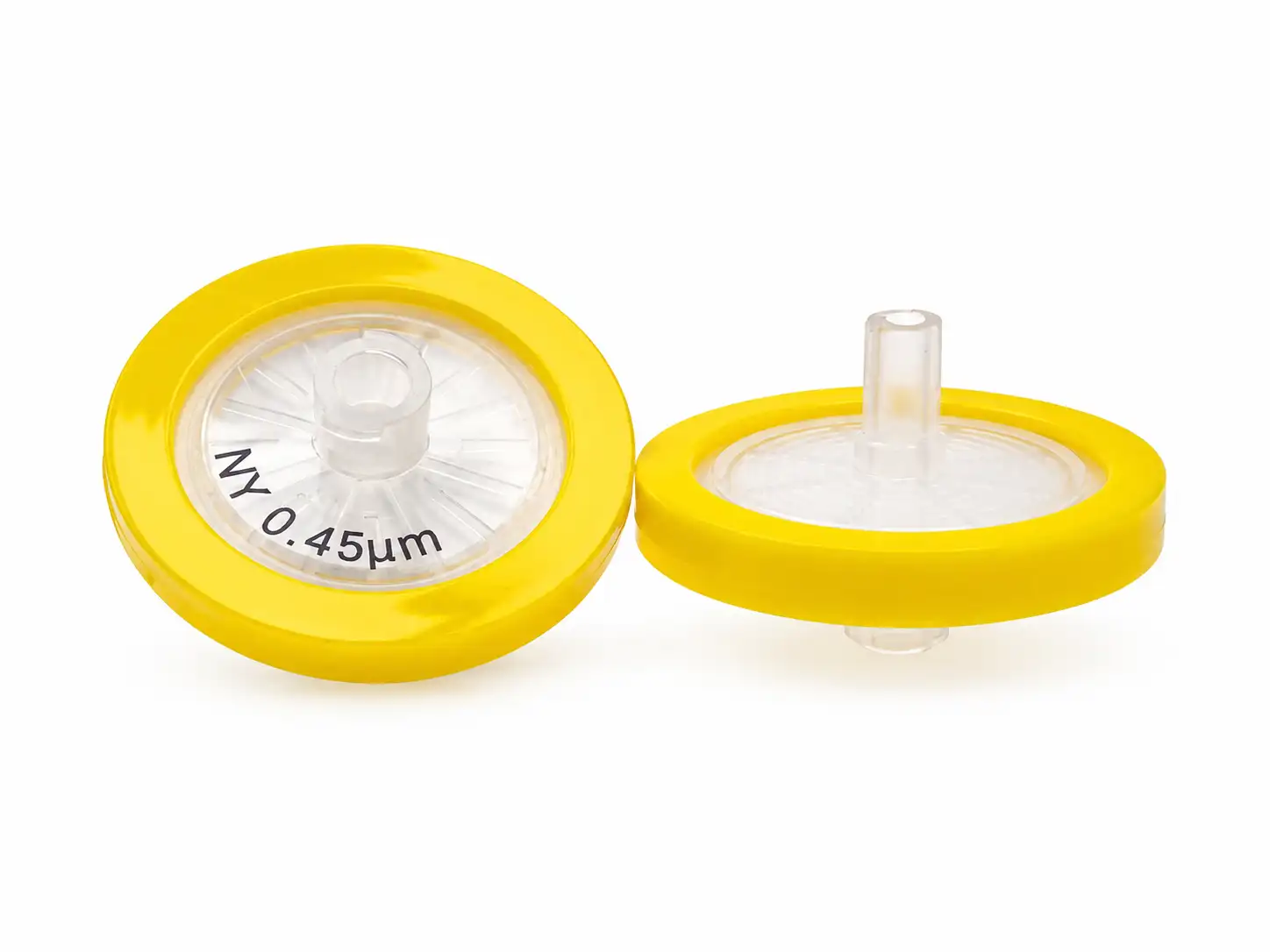
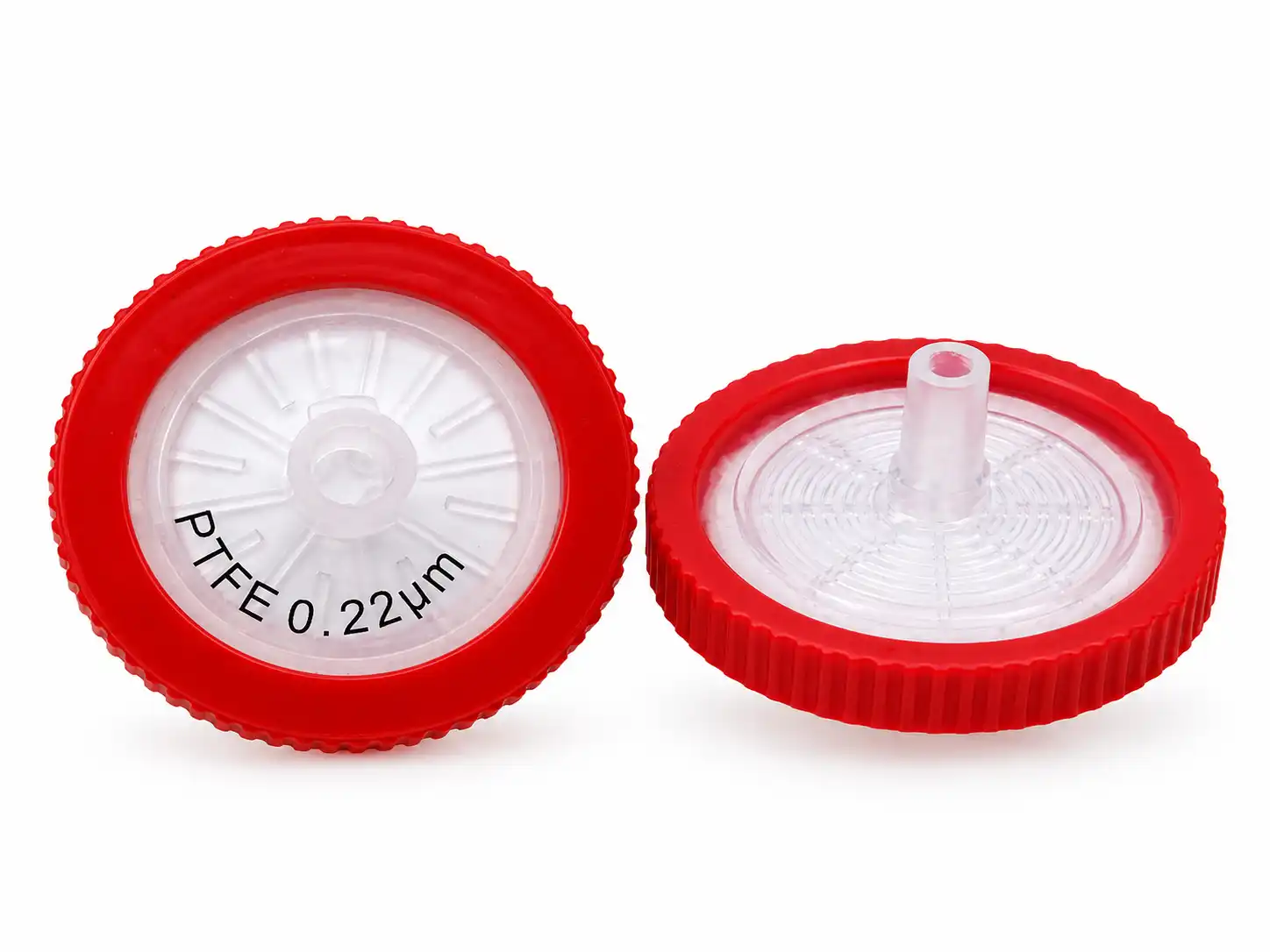
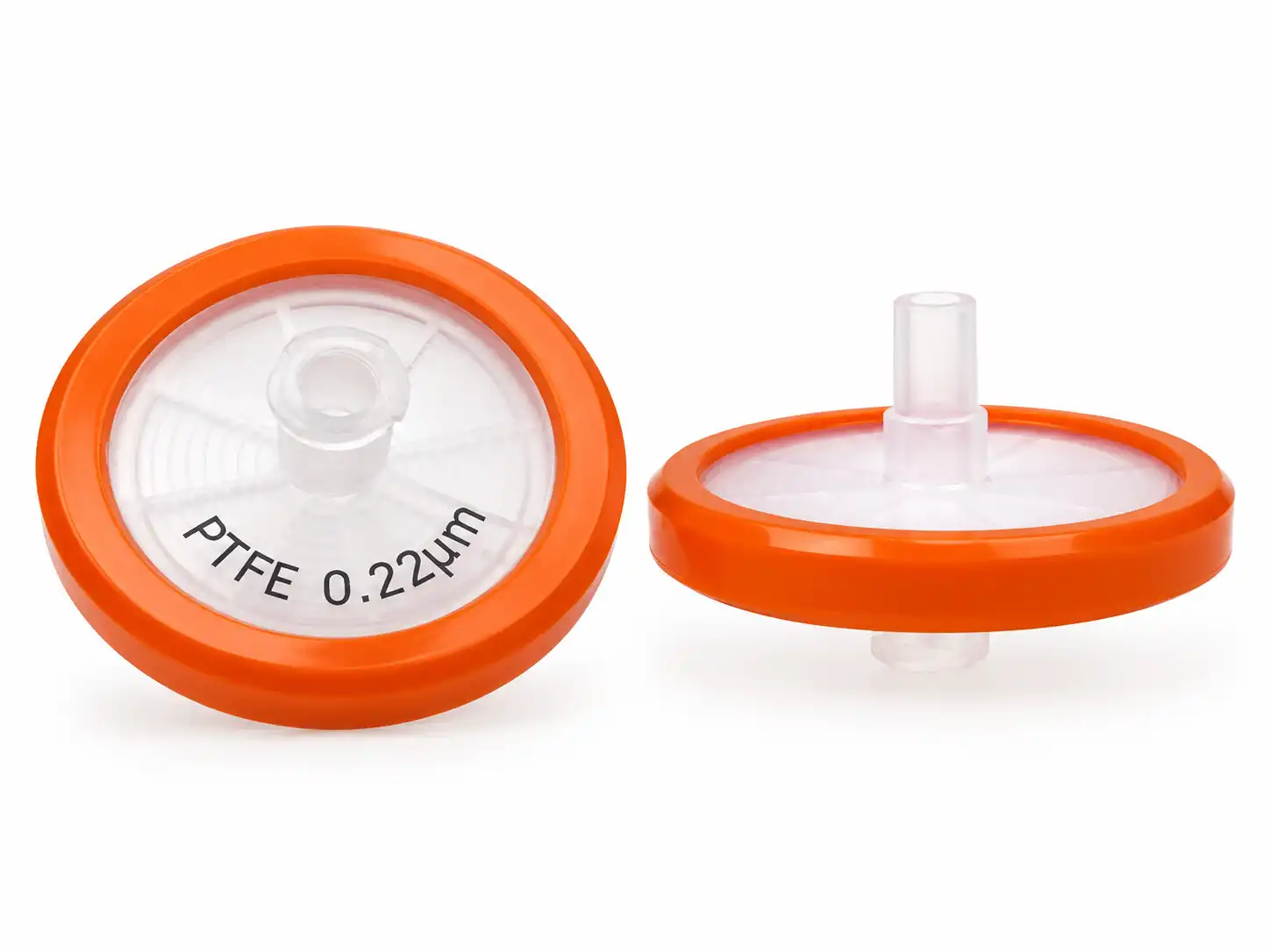
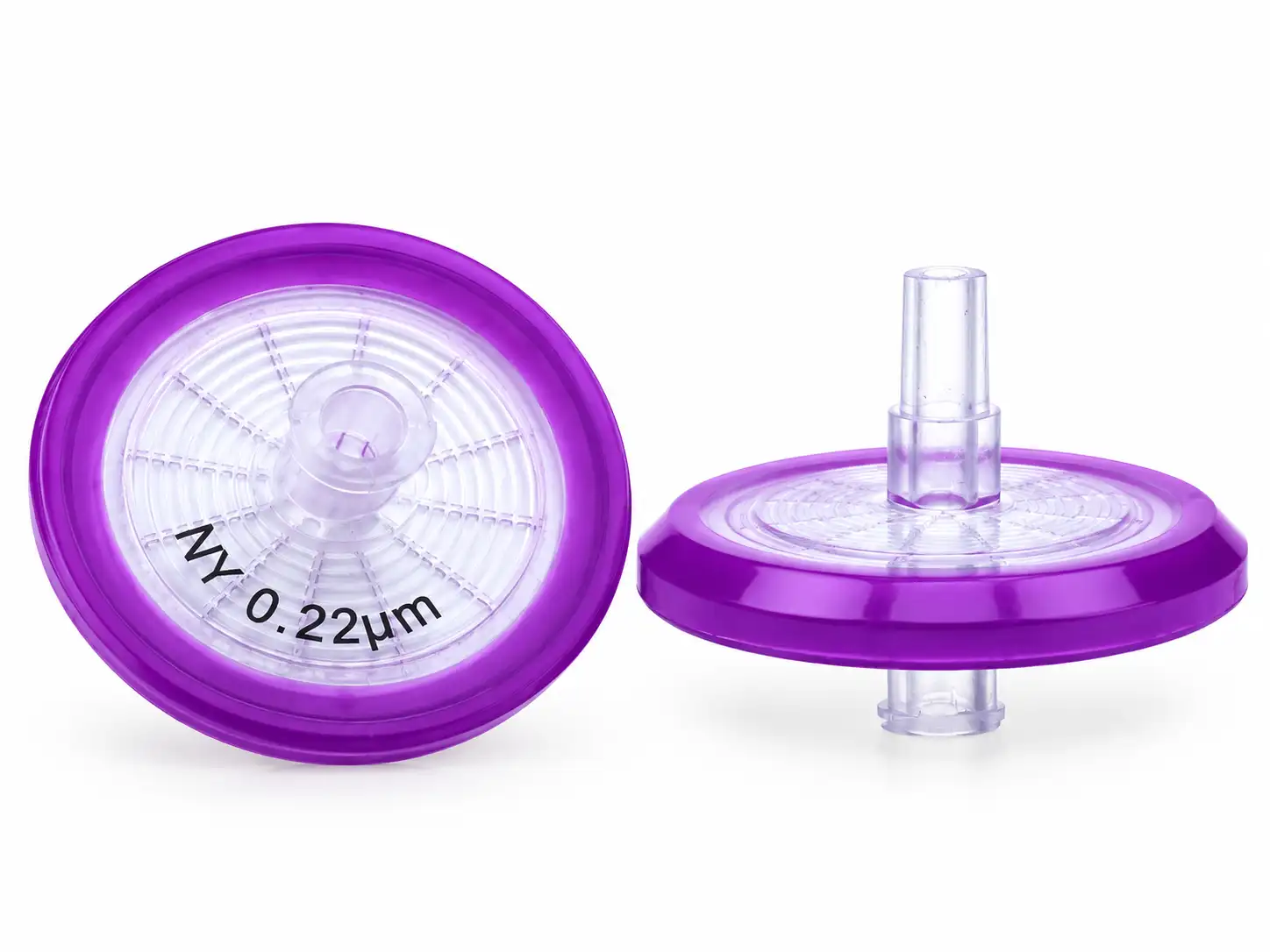
As a syringe filter supplier in China, we offer PTFE, PES, Nylon, PVDF, and MCE options to match different solvents and sample types. Our goal is simple: reliable filtration, consistent quality, and a cost-effective solution for your lab.
syringe driven filters Collections
Easycofil™ Syringe Filter
PP housing
Chrcofil™ Syringe Filter
PP housing
Miccofil™ Syringe Filter
PP housing
Bestcofil™ Syringe Filter
DLLcofil™ Syringe Filter
PP/PC housing
Allcofil™ Syringe Filter
PP housing
Liquid™ Inline Filter
PP housing
Biocofil™ Syringe Filter
PP housing
GDXcofil™ Syringe Filter
PP housing
Stericofil™ Syringe Filter
PP housing
How Does Syringe Filtration Work?
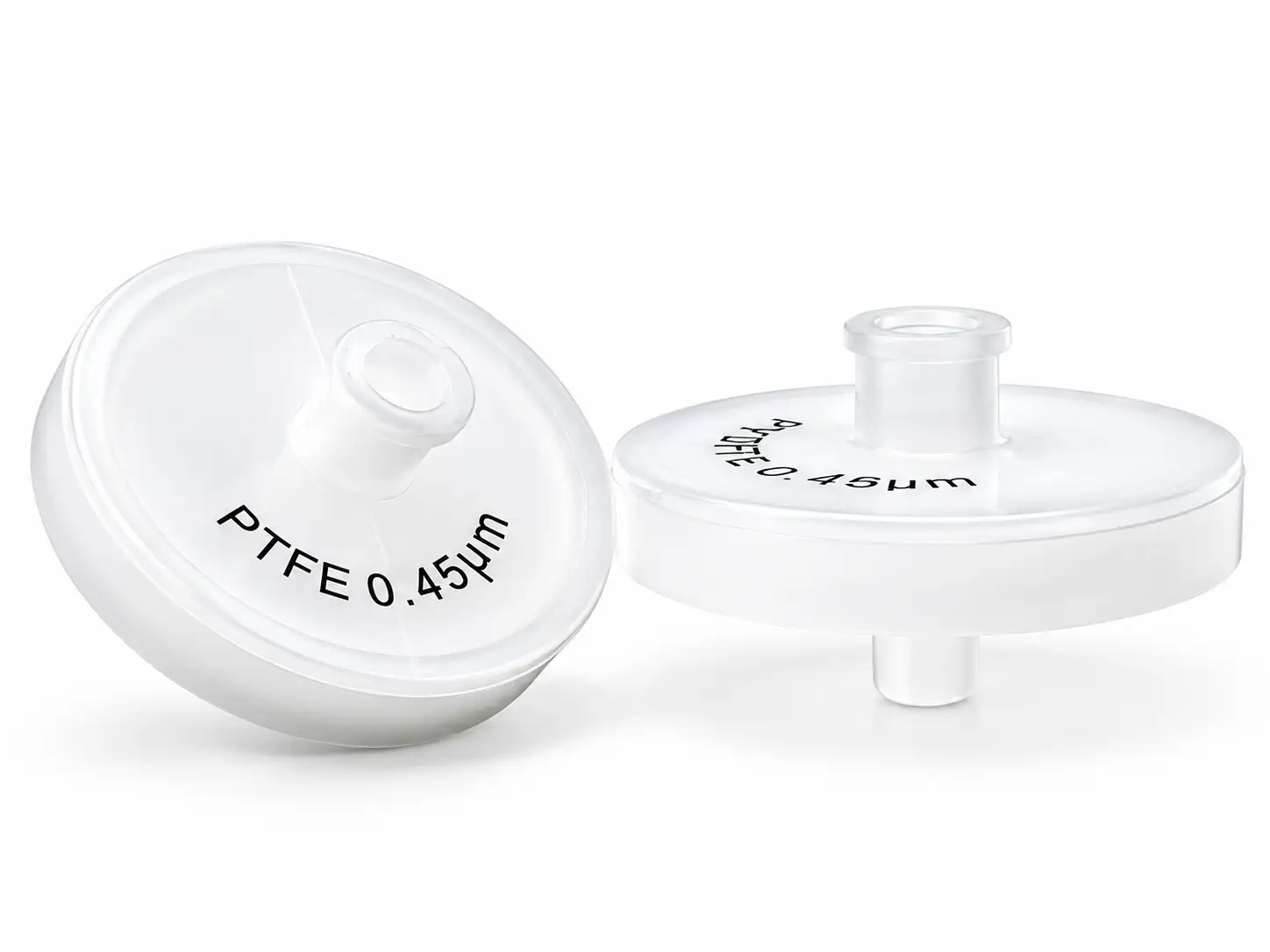
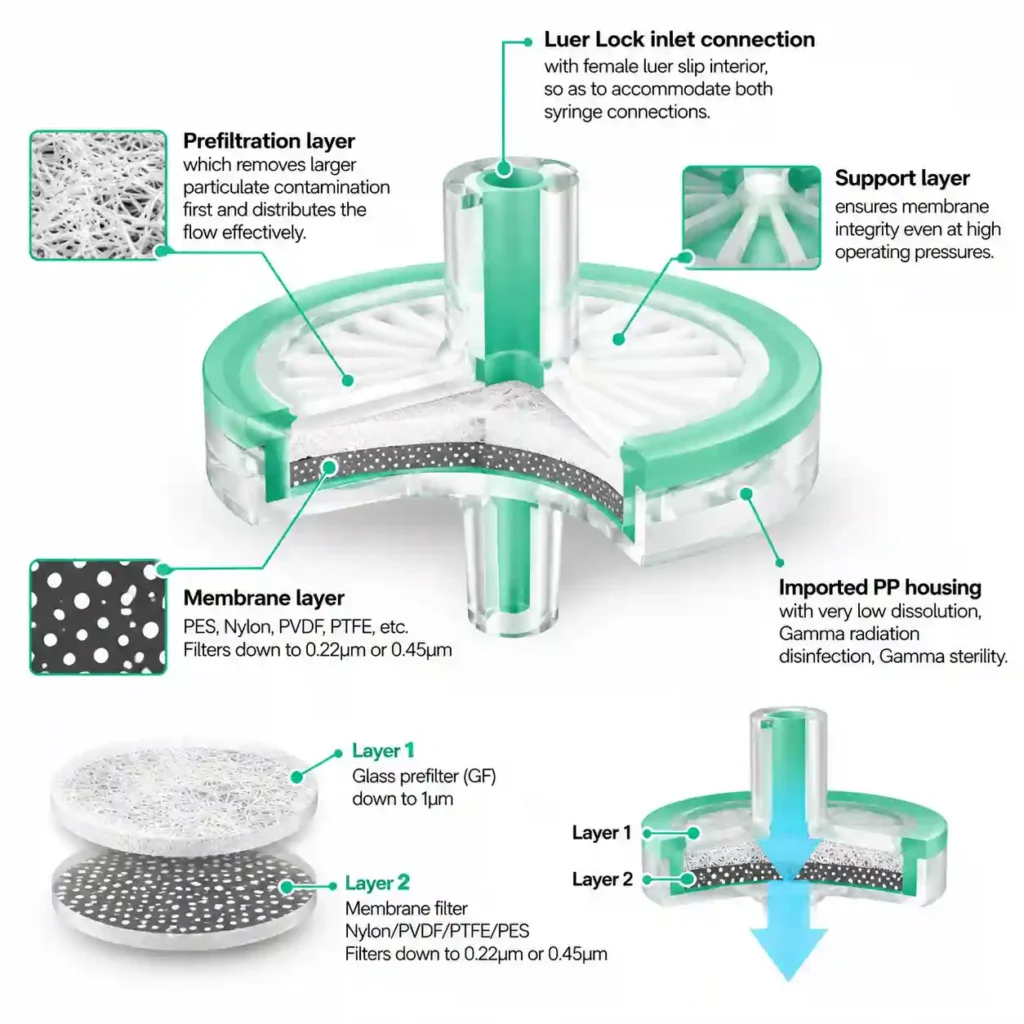
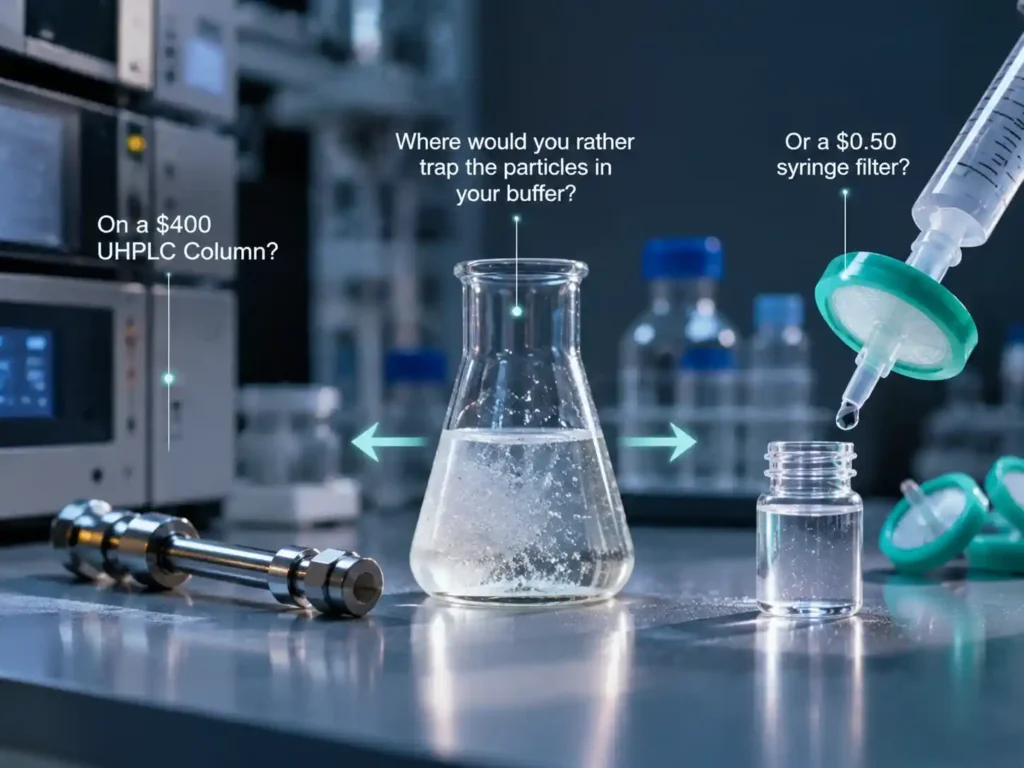
Syringe filtration removes particles from small-volume liquid samples using a membrane filter. It is widely used for HPLC sample preparation, buffer clarification, and cell culture media filtration. A 0.22 μm membrane is commonly used for sterilizing filtration, while 0.45 μm is suitable for routine particle removal.
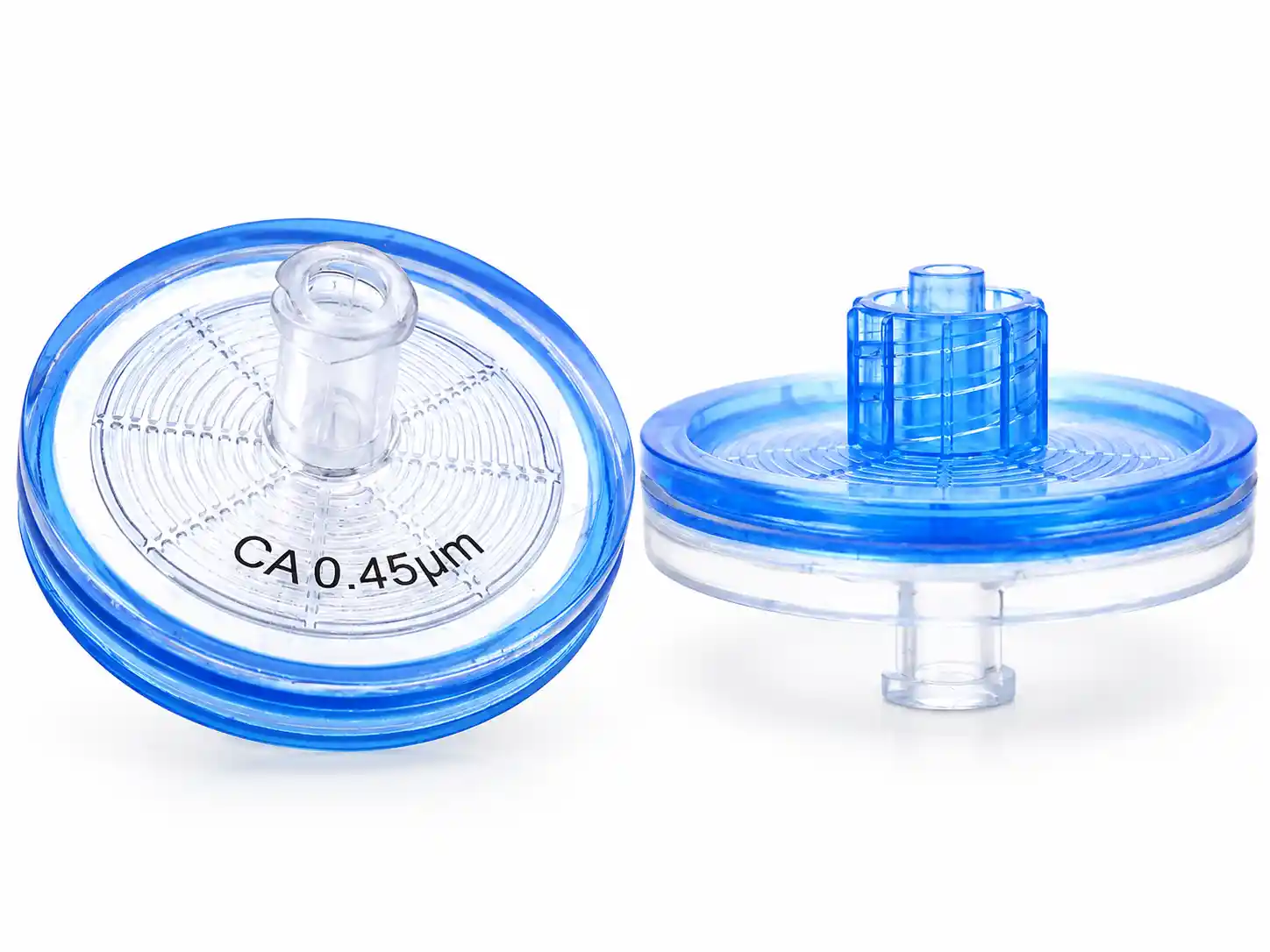
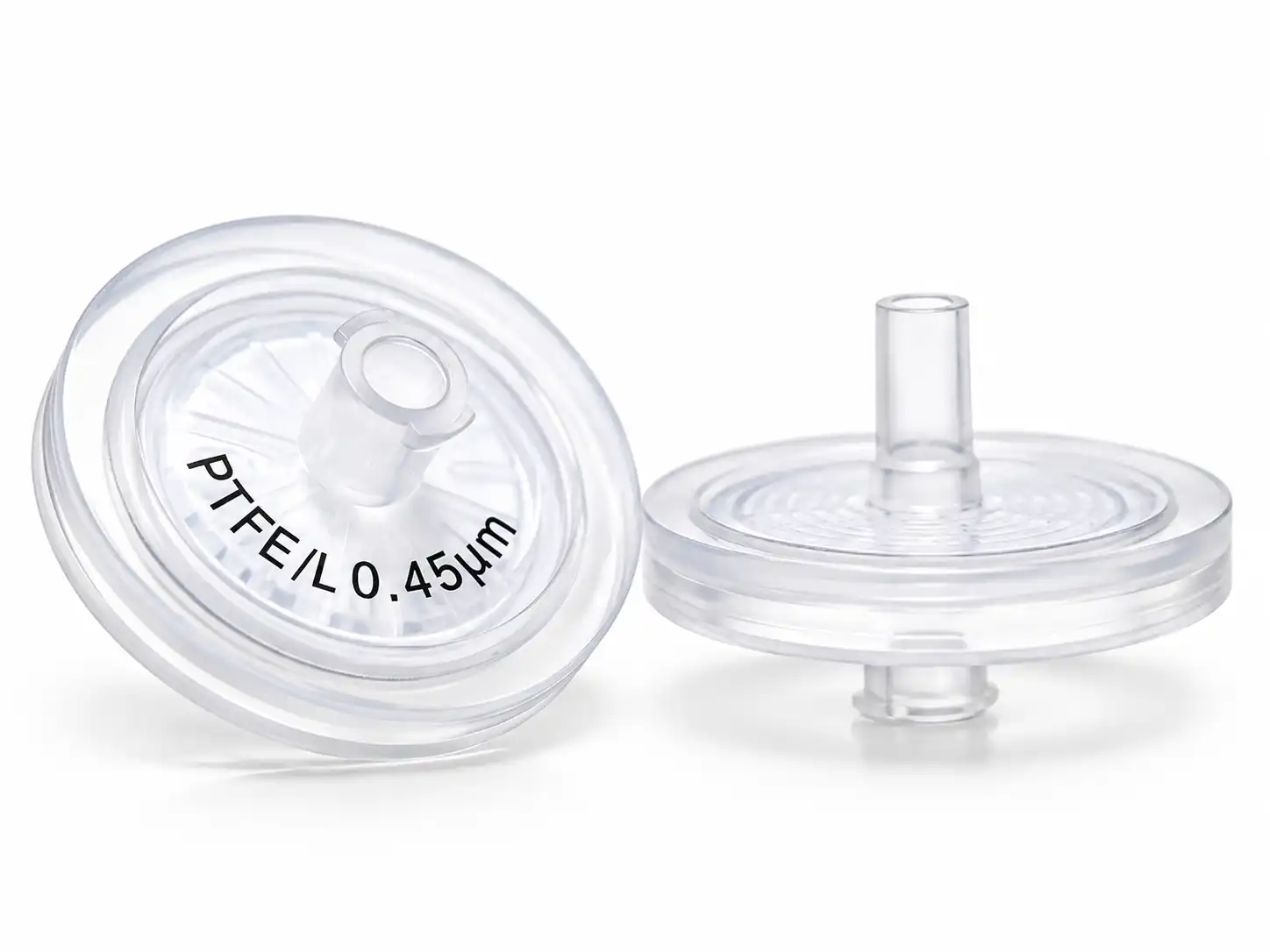
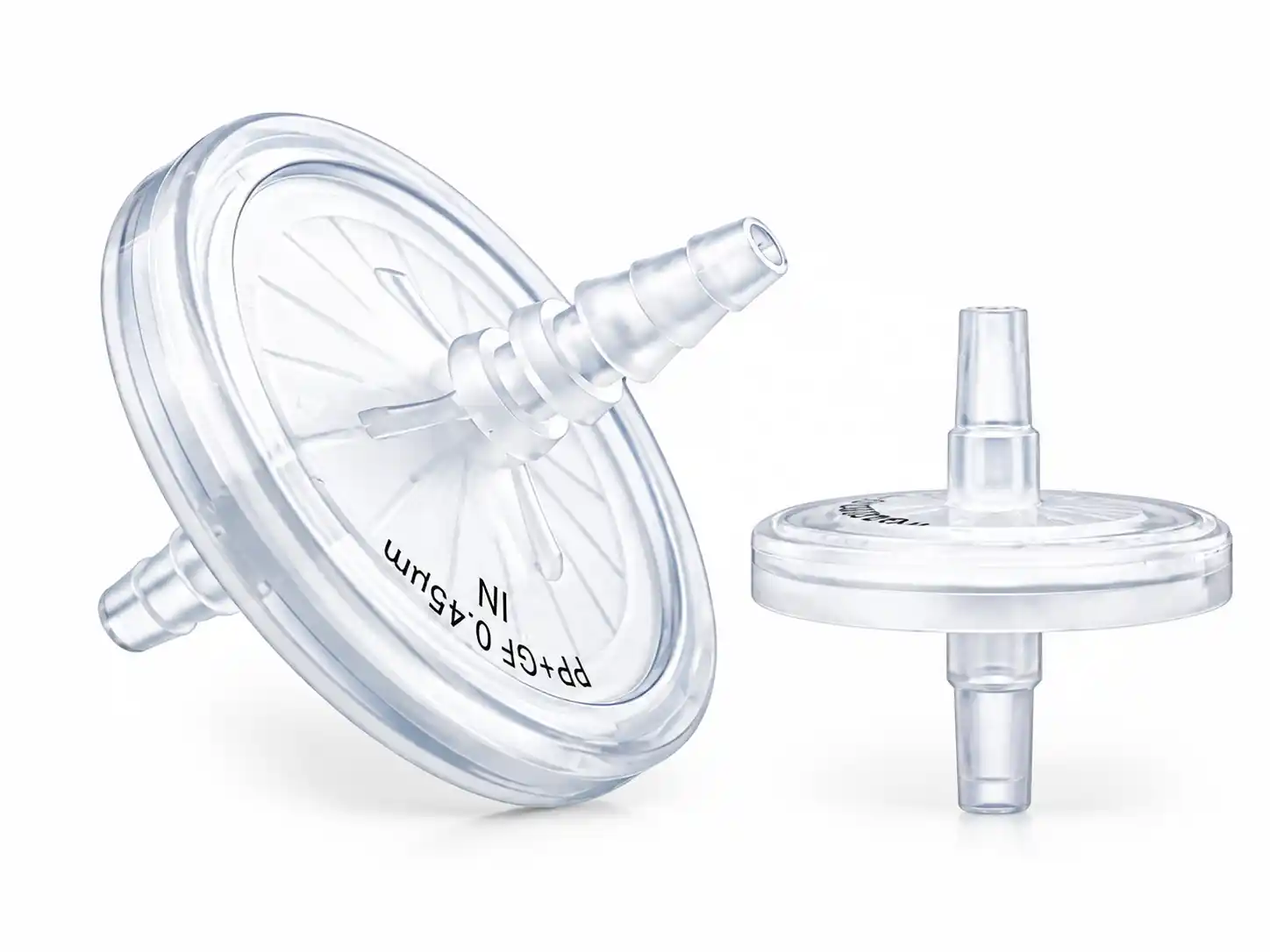
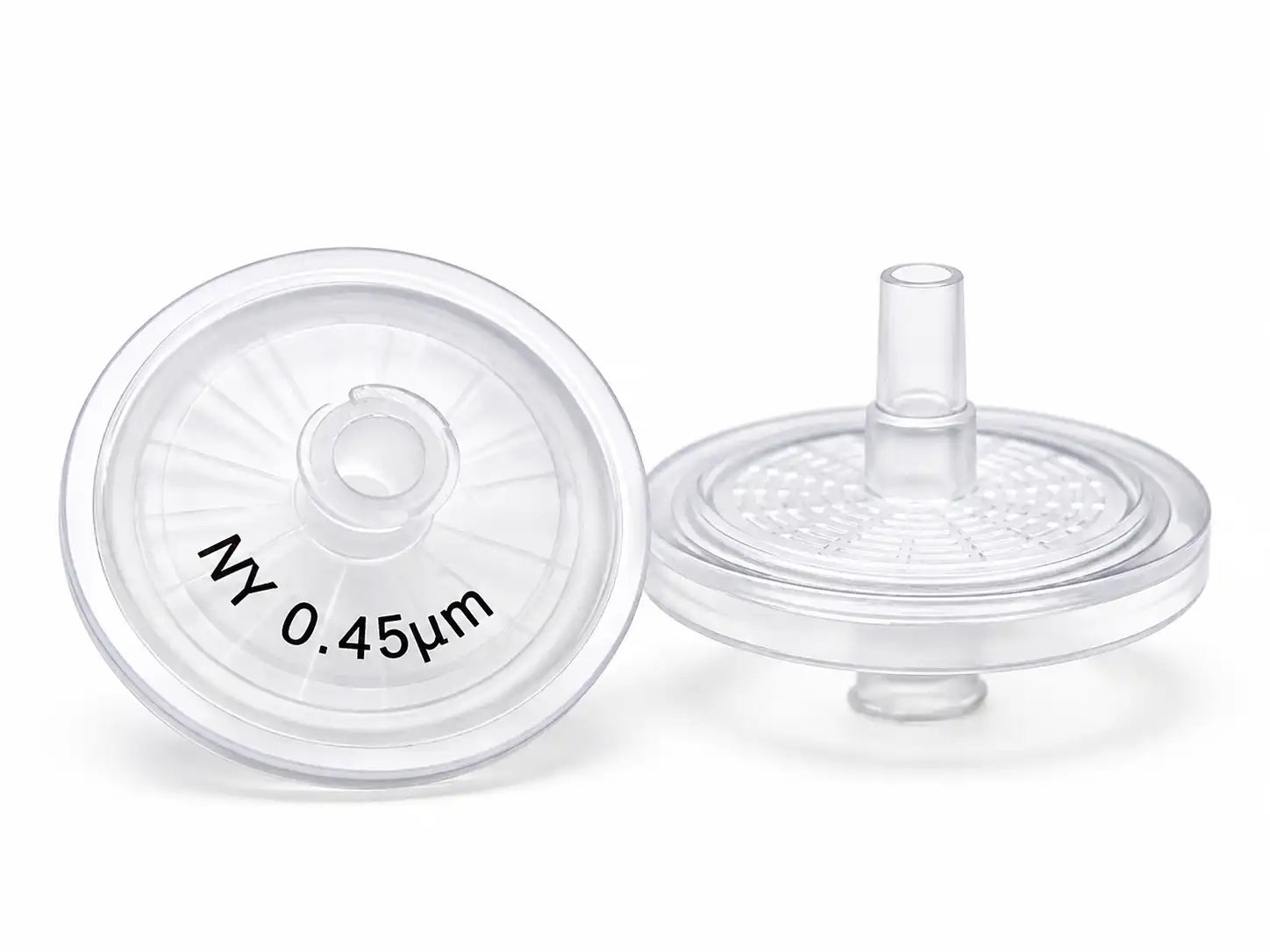
Cofilters offers five membrane materials—PES, PTFE, PVDF, Nylon, and CA—with pore sizes of 0.22 μm and 0.45 μm and diameters of 13, 25, and 30 mm. Contact us to find the right filter for your samples and application.
Accuracy. Purity. Reliability.
Precise filtration ensures reliable results
Cofilters Syringe Filters gives you choices to meet your needs for sterile filtration, laboratory fi ltration, prefi ltration, sample preparation and gas venting.
But How we guaratnee Filter quality?
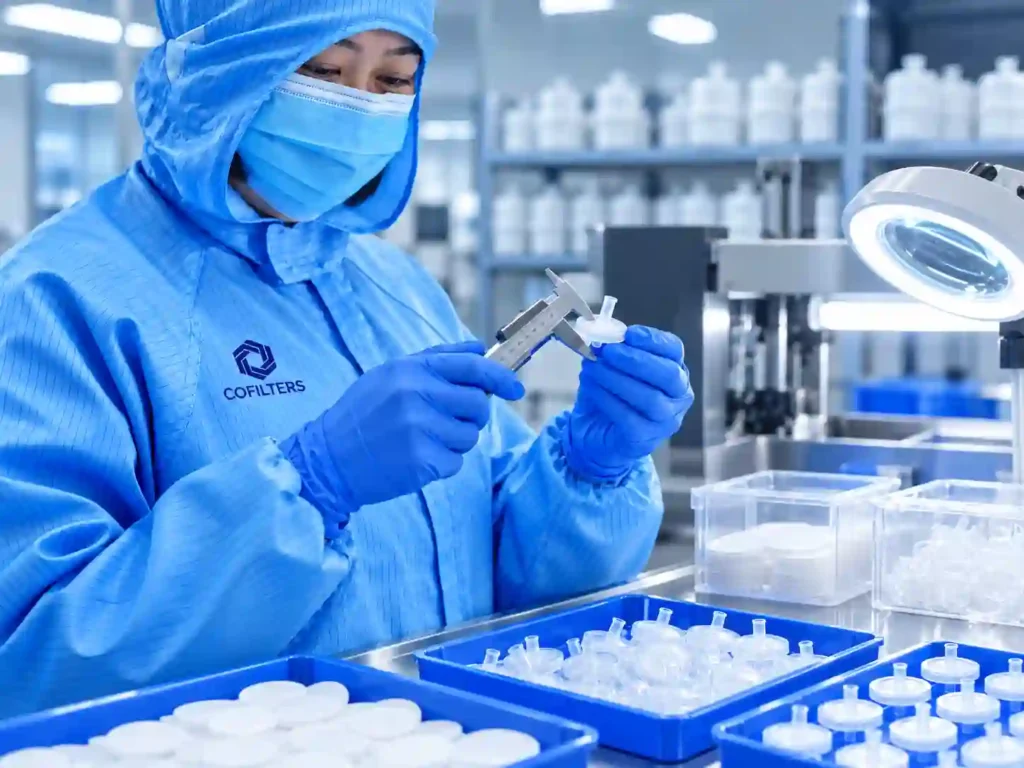
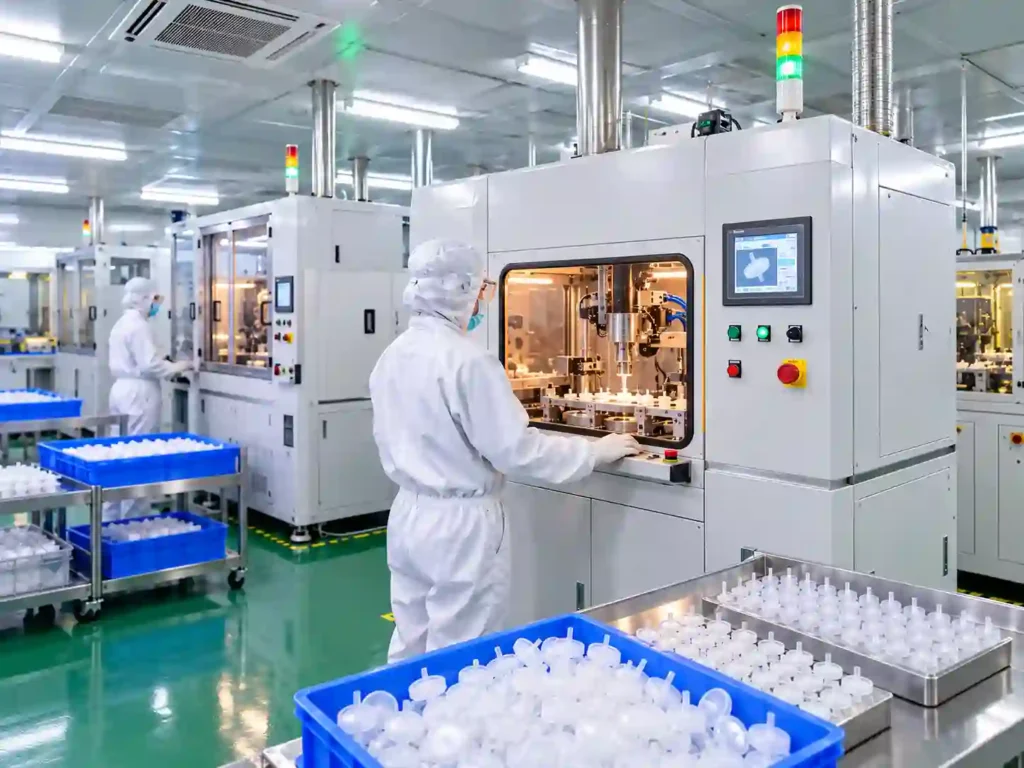
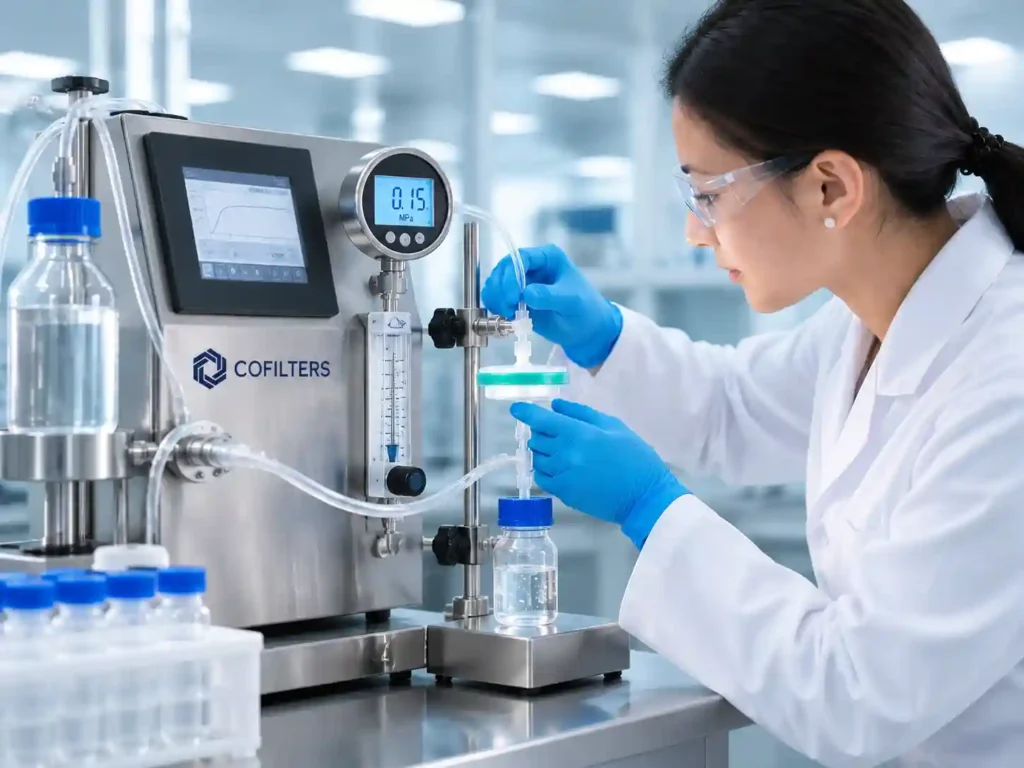
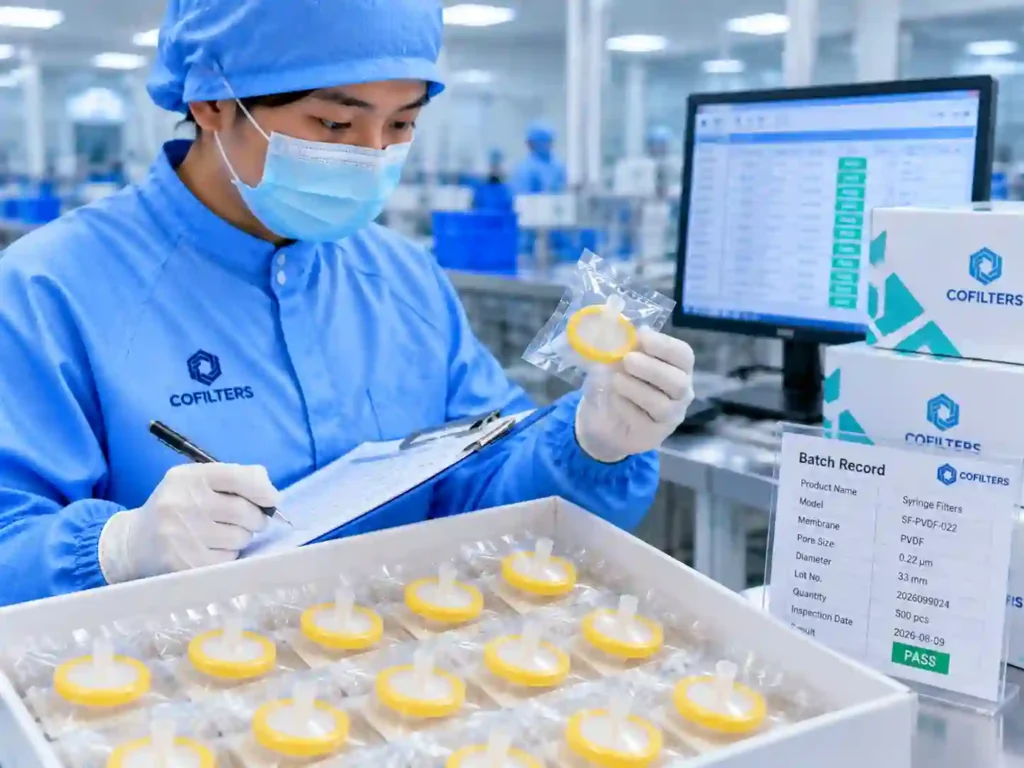
We ensure consistent syringe filter quality through strict raw material inspection, precision manufacturing, performance testing, and batch-by-batch quality control.
- Material Inspection
- Precision Manufacturing
- Performance Testing
- Pre-ship Inspection
Verify membrane materials, housing materials and incoming components.
Control membrane cutting, assembly, welding and sealing.
Check for leakage, bypass and sealing defects.
Conduct sampling inspections, maintain batch records and ensure traceability.
Packaging
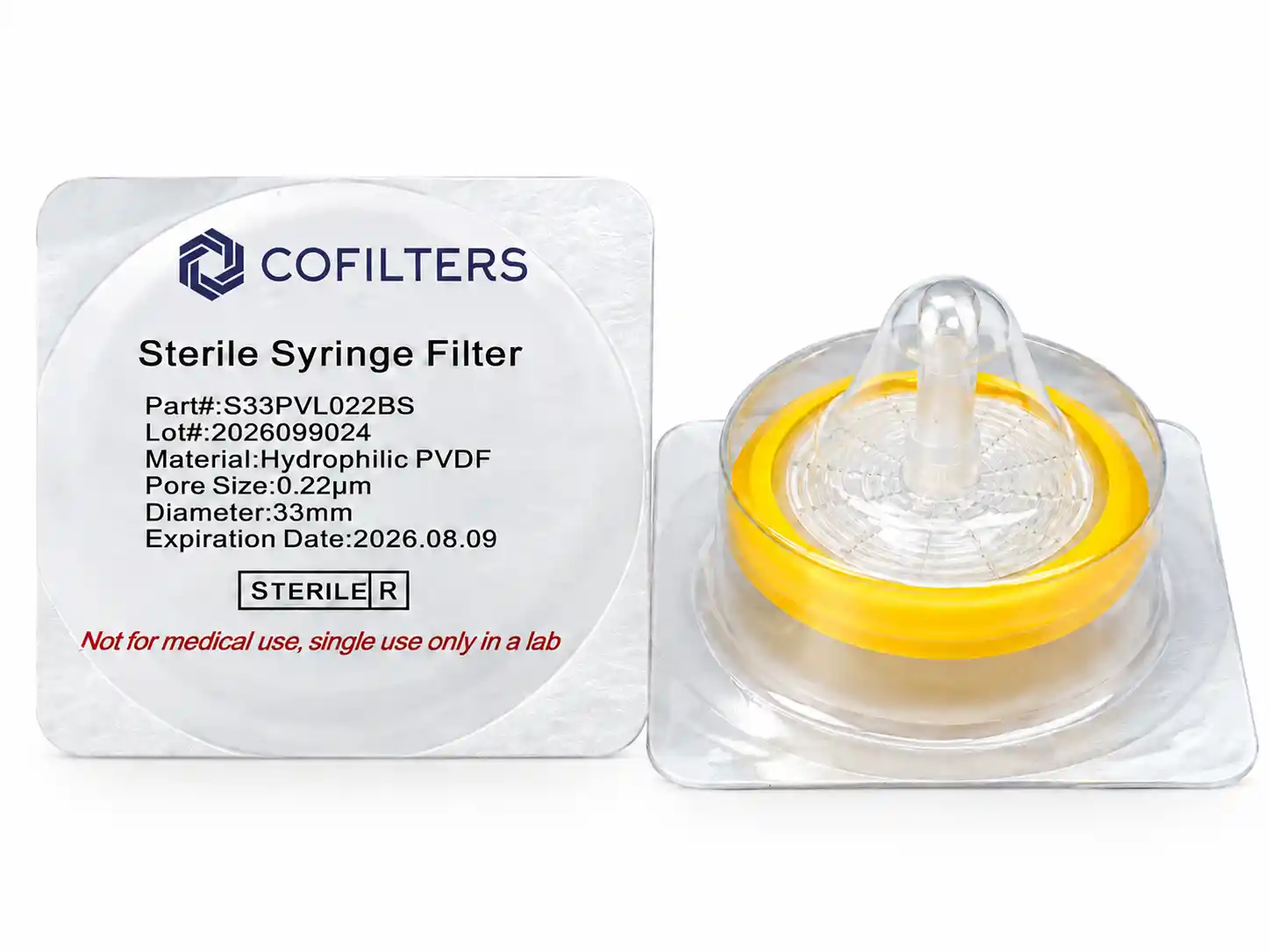
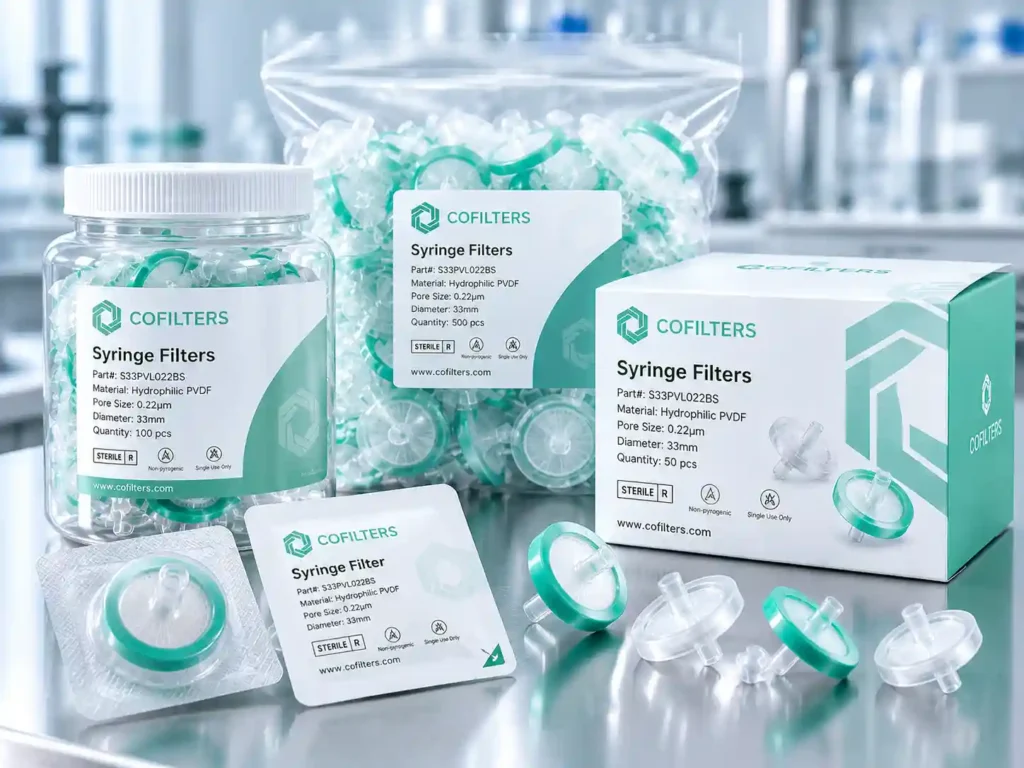
Sterile Syringe Filters
Individual Blister Pack
50 pcs / box
Customized carton
Non-Sterile Syringe Filters
Plastic Jar: 100 pcs / jar
Bulk Polybag: 100-1000 pcs / bag
Customized carton
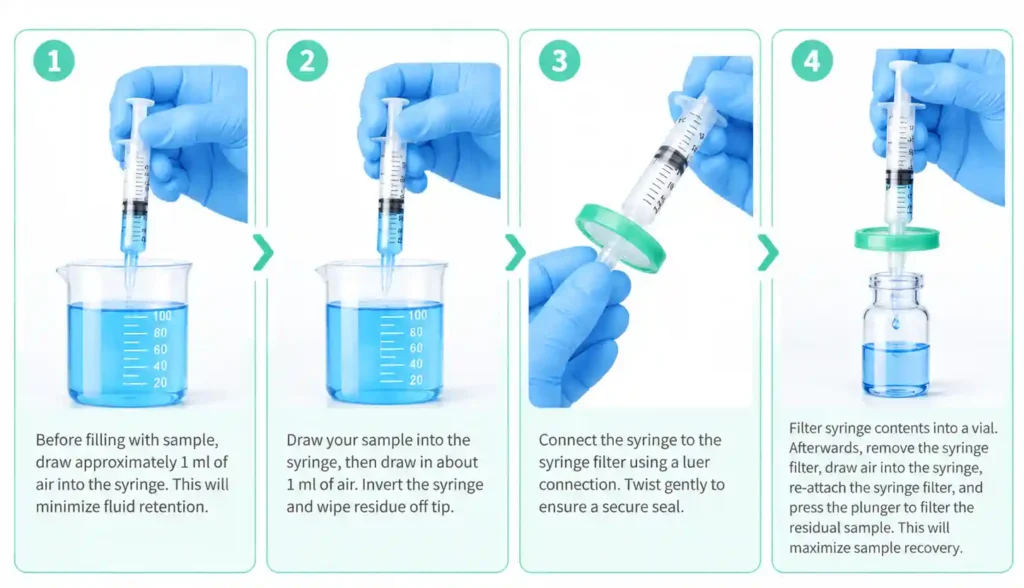
How to use syringe filter?
Frequently Asked Questions
What are syringe filters used for?
Syringe filters are used to remove particles, precipitates, and microorganisms from small liquid samples before analysis or processing. They are commonly used in HPLC and other chromatography workflows, laboratory testing, pharmaceutical research, and sample preparation to protect instruments, improve sample clarity, and support more reliable results.
What are syringe filters called?
Syringe filters are also called syringe-mounted filters, syringe membrane filters, or disposable syringe filters. These names describe compact filtration devices fitted directly to a syringe, usually with a membrane enclosed in a plastic housing. The term may also refer to sterile or non-sterile versions, depending on the application.
Do syringe filters work?
Yes. When correctly selected and used, syringe filters can effectively remove particles and, with suitable membranes and pore ratings, reduce microbial contamination. Performance depends on membrane material, pore size, compatibility, pressure, and sample properties. A 0.22 μm filter is commonly used for sterilizing-grade liquid filtration, subject to validation.
How much do syringe filters cost?
Syringe filter prices vary by membrane material, diameter, pore size, housing, sterility, brand, and order quantity. Standard non-sterile filters generally cost less than sterile, individually packaged versions. For an accurate quotation, compare the same specifications and packaging, and request volume pricing directly from the manufacturer.
How many times can you use a syringe filter?
A standard disposable syringe filter is designed for single use and should not be reused. Reuse can cause cross-contamination, membrane blockage, reduced flow, or compromised filtration performance. Even if the filter appears clean, retained particles and residues may remain inside the membrane or housing after the first filtration.
How to know which syringe filter to use?
Choose a syringe filter based on the sample, membrane compatibility, pore size, diameter, and whether sterile filtration is required. For aqueous samples, hydrophilic membranes are often suitable; for organic solvents, check chemical compatibility carefully. Select 0.22 μm for many sterilizing-grade applications or 0.45 μm for clarification, as appropriate.
What are the different types of syringe filters?
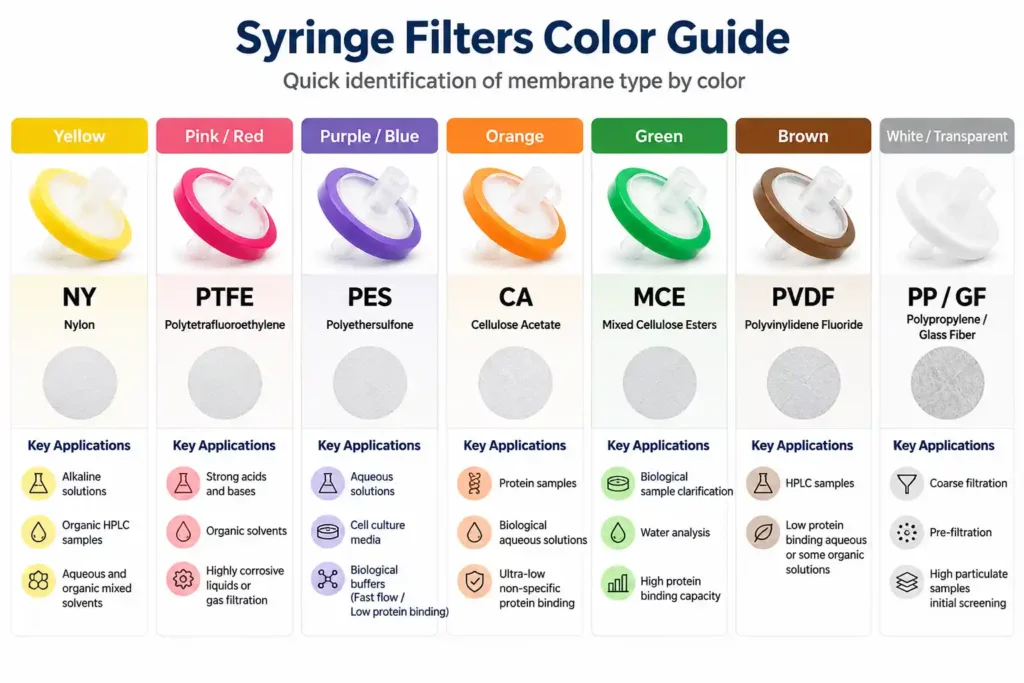
Common syringe filter types are classified by membrane material, pore size, diameter, and sterility. Membranes include PES, PVDF, PTFE, nylon, and cellulose acetate. Filters are available in sterile or non-sterile formats, with typical pore ratings such as 0.22 μm and 0.45 μm for different filtration needs.
How much does a 0.22 micron syringe filter cost?
The cost of a 0.22 μm syringe filter depends on membrane material, diameter, sterility, packaging, brand, and purchase volume. Sterile, individually packaged filters usually cost more than non-sterile bulk options. Ask suppliers to quote an identical specification so prices can be compared fairly.
What is the difference between a membrane filter and a syringe filter?
A membrane filter is the filtration medium itself, usually a thin porous sheet that separates particles from liquid or gas. A syringe filter is a complete device that houses a membrane in a plastic casing and connects to a syringe for convenient, small-volume filtration.
Compliance
- USP Class VI - Plastics
- ISO 9001 & ISO 13485
- Regulation (EC) 1935/2004
- FDA Compliant Materials