Capsule Filters Supplier

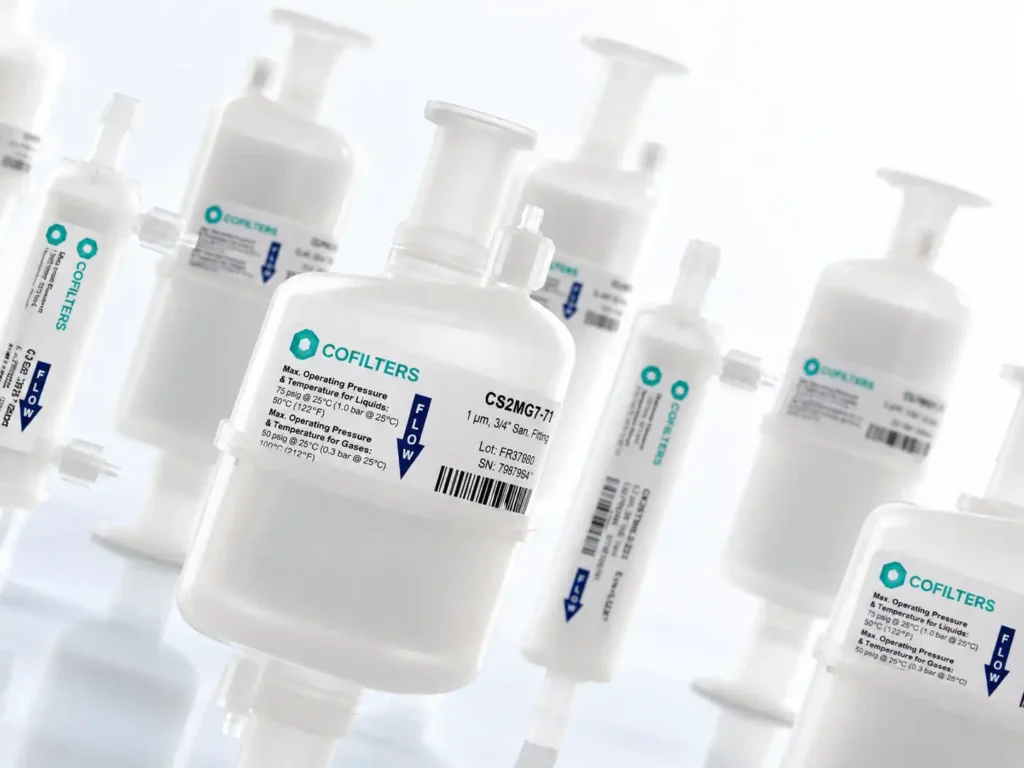
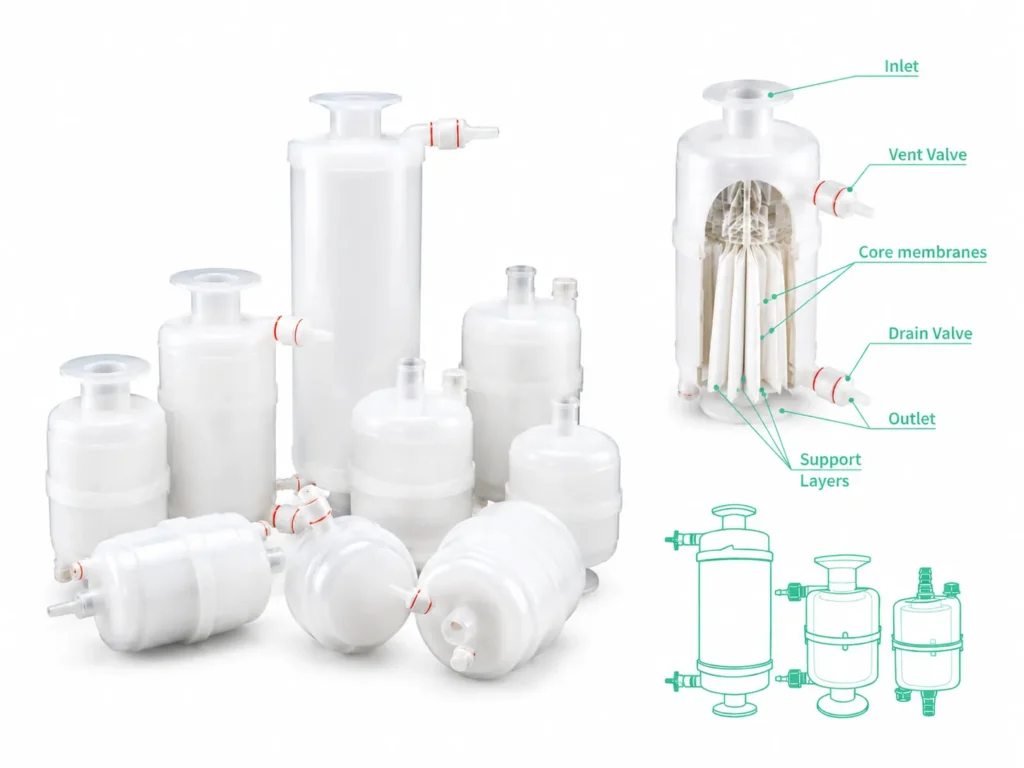
Capsule Filters are self-contained, ready-to-use, single-use filtration units featuring an integrated plastic housing. Unlike traditional cartridge filters, capsule filters combine an internal pleated membrane or depth filtration media with a protective housing through a secure welding process. This integrated design eliminates the need for separate, costly metal or plastic filter housings and allows direct connection to filtration systems through tubing or pipeline fittings.

Designed to minimize cross-contamination risks, eliminate housing cleaning requirements, and simplify installation and replacement, capsule filters offer a convenient and efficient filtration solution. They are widely used in pharmaceutical manufacturing, biotechnology, laboratory applications, microelectronics, and specialty chemical processing.


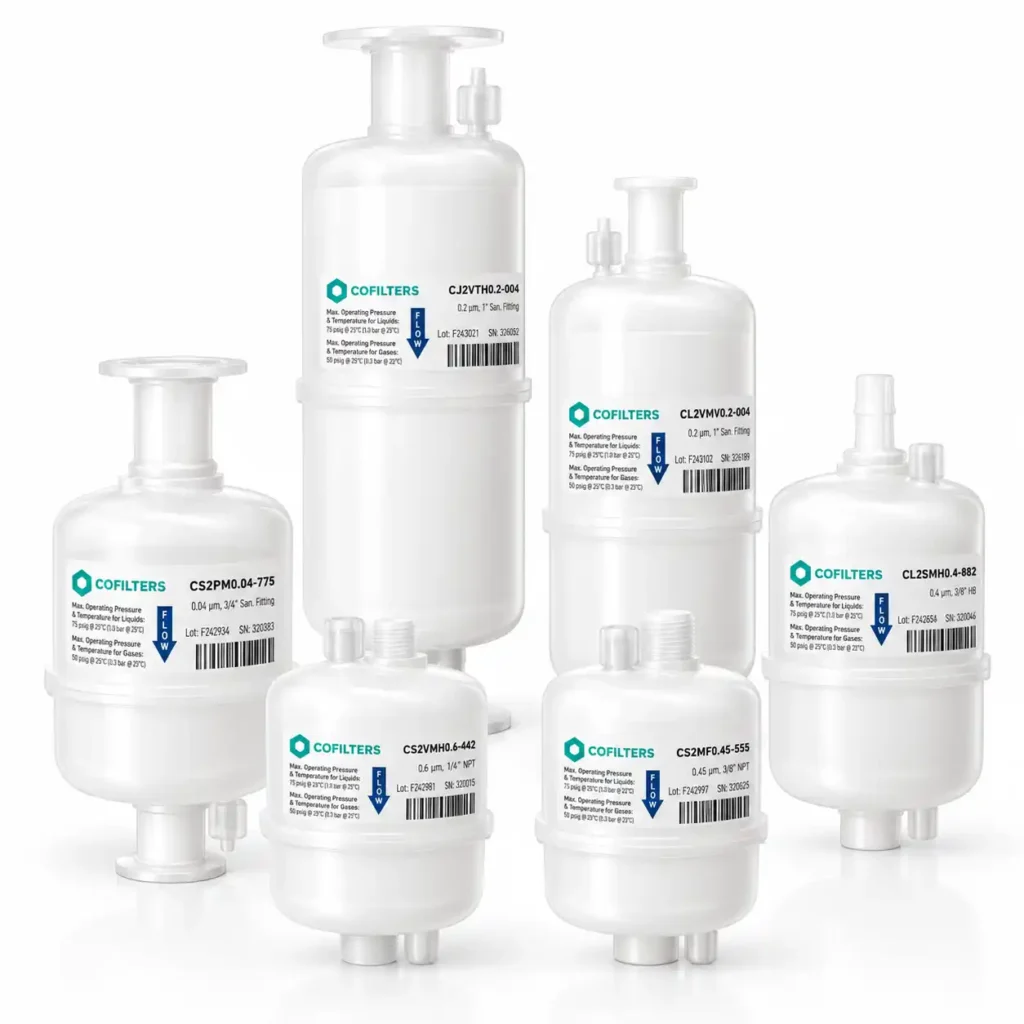
Capsule Filter Housing Designs

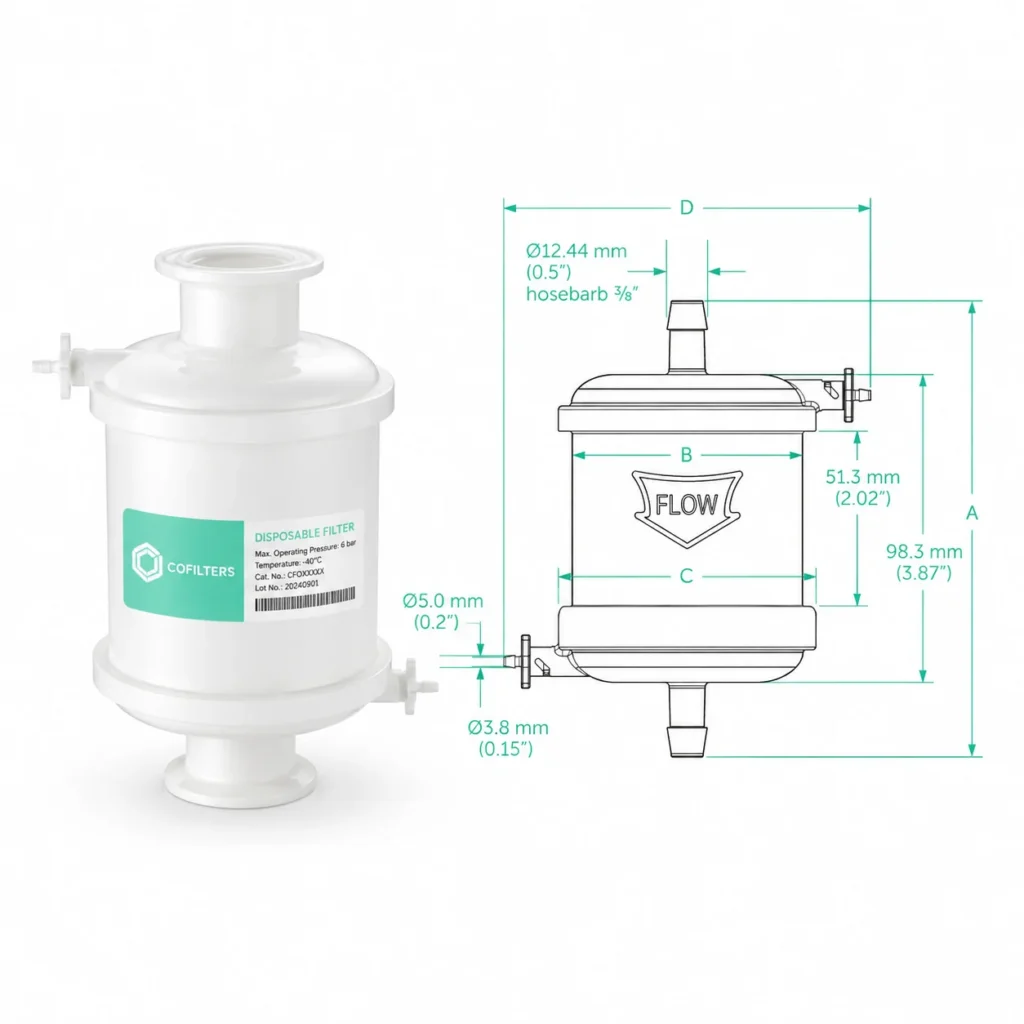
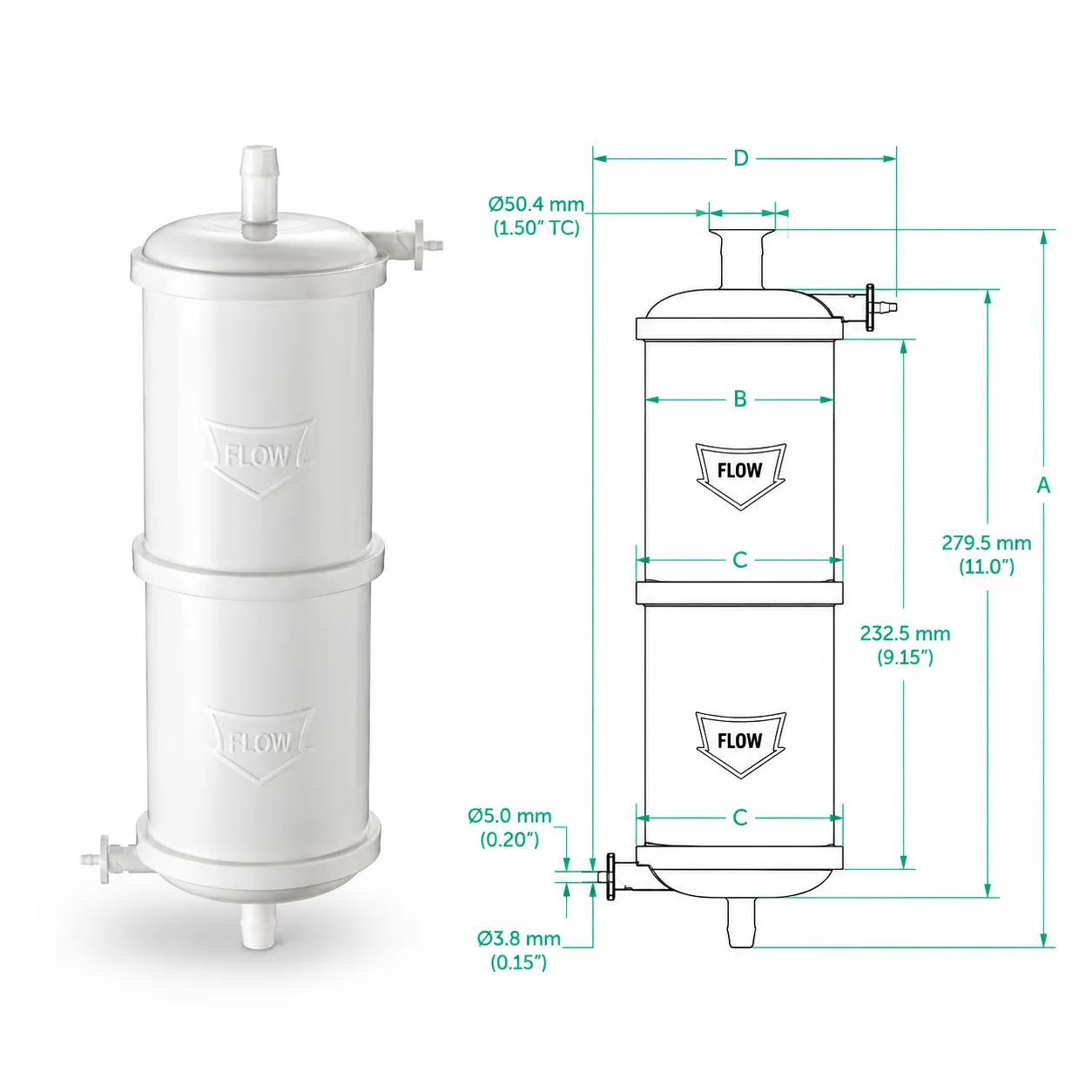
Long Capsule filter

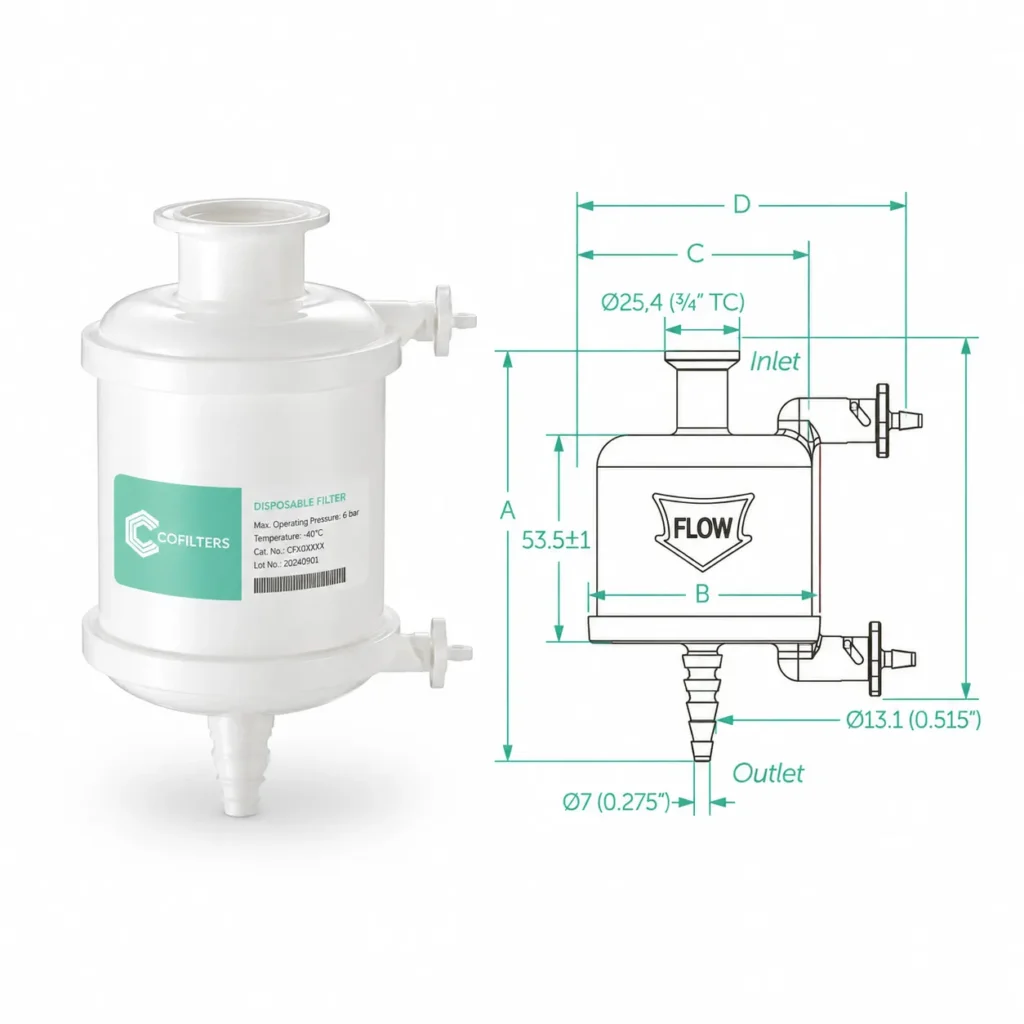
Compact Capsule Filter

Mini Capsule Filter

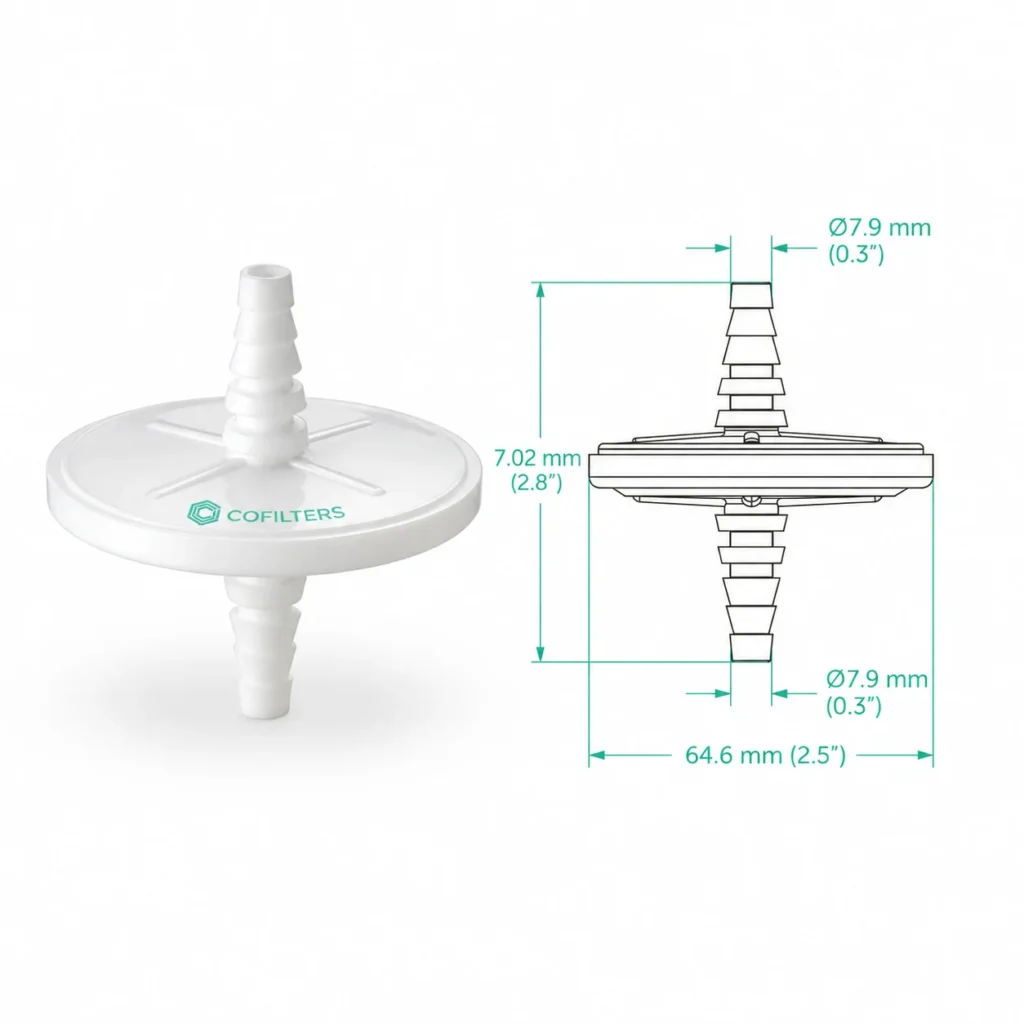
Disc Capsule Filter

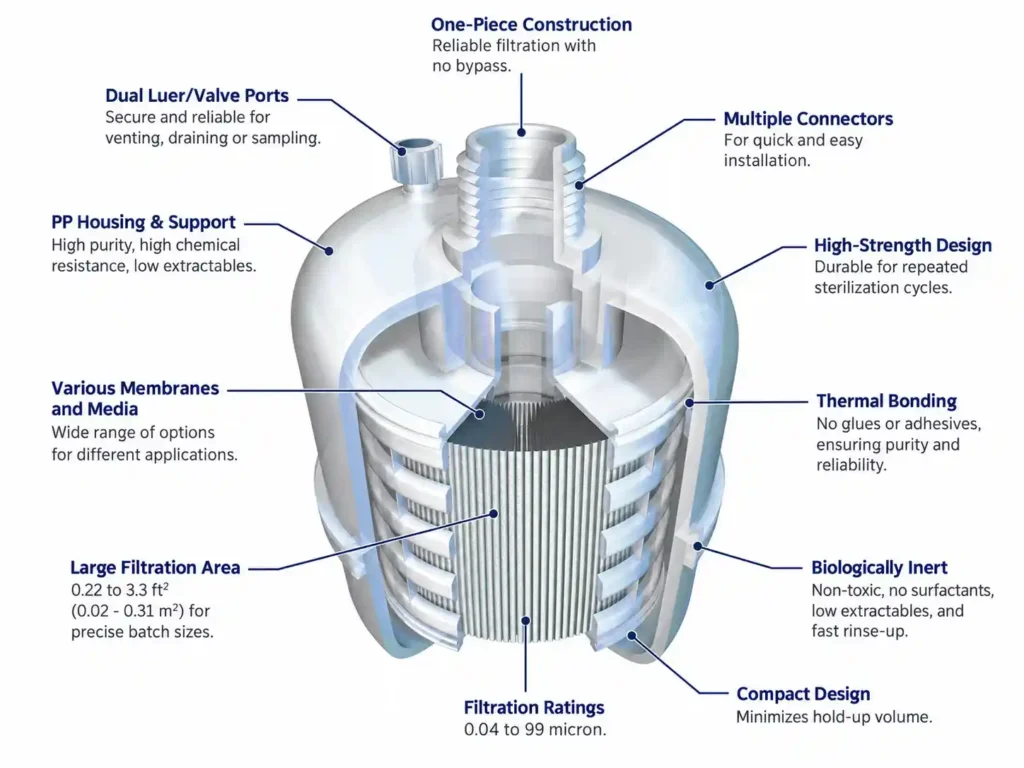
Pleated Filter Technology

Pleated filters are widely used as effective surface filtration due to their excellent flow rates and high efficiency.

Each capsule features a compact filter element thermally bonded into a durable, disposable polypropylene housing. Its permanently sealed, one-piece design ensures reliable, secure filtration across a wide range of fluids and applications.

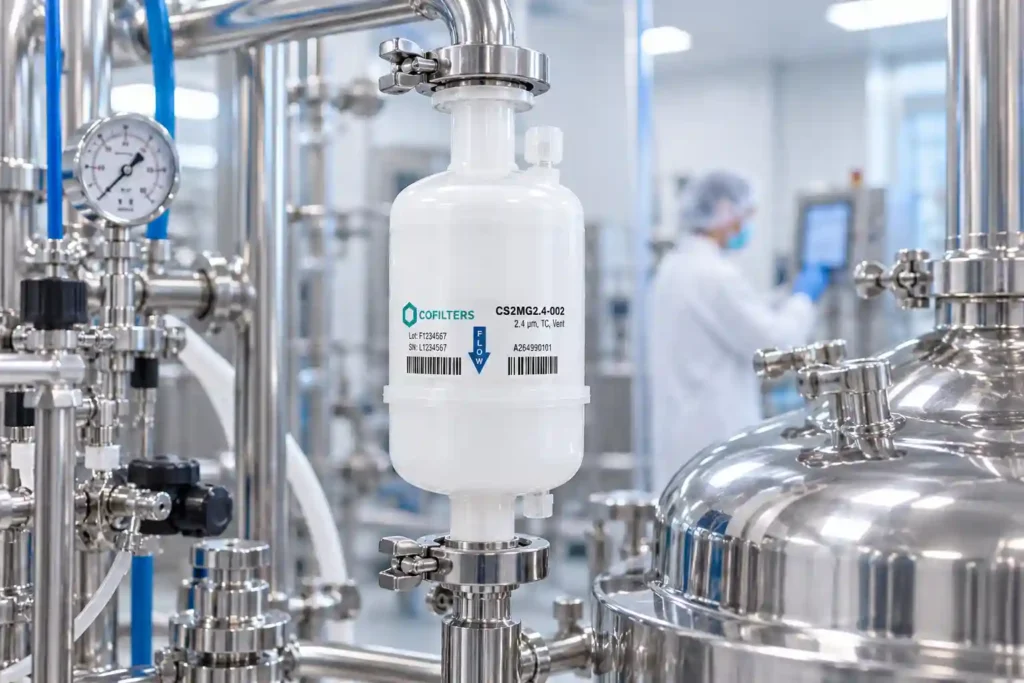
Safe, Efficient Pharmaceutical Filtration

Easy change out reduces downtime

Including 0.2 micron capsule filters, disposable capsule filters, depth filter capsules, and PES, polypropylene, PTFE, and PVDF capsule filters, as well as water filter capsules and specialized solutions such as Pureflo capsule filters.


How to Select Right Capsule Filtration

By 4 Steps:

Sterile filtration of pharmaceutical solutions, vaccines, biologics, and process fluids?

Small-volume filtration of samples, reagents, buffers, and laboratory solutions?


Micron ratings indicate the size of particles a filter can capture, measured in micrometers (µm). Ratings typically range from 0.1 µm to 10 µm, and the lower the number, the finer the particles the filter removes.

Your fluid type usually guides media selection. Polypropylene and polyester are the most widely used options for pleated filters.

Common lengths are 50mm or 1, 5, and 10 inches.

Have a Part Number?

Submit your existing filter part number and our team will help identify a compatible replacement.
Choose Brand
*All data are secure & confidential

But How we guaratnee Filter quality?

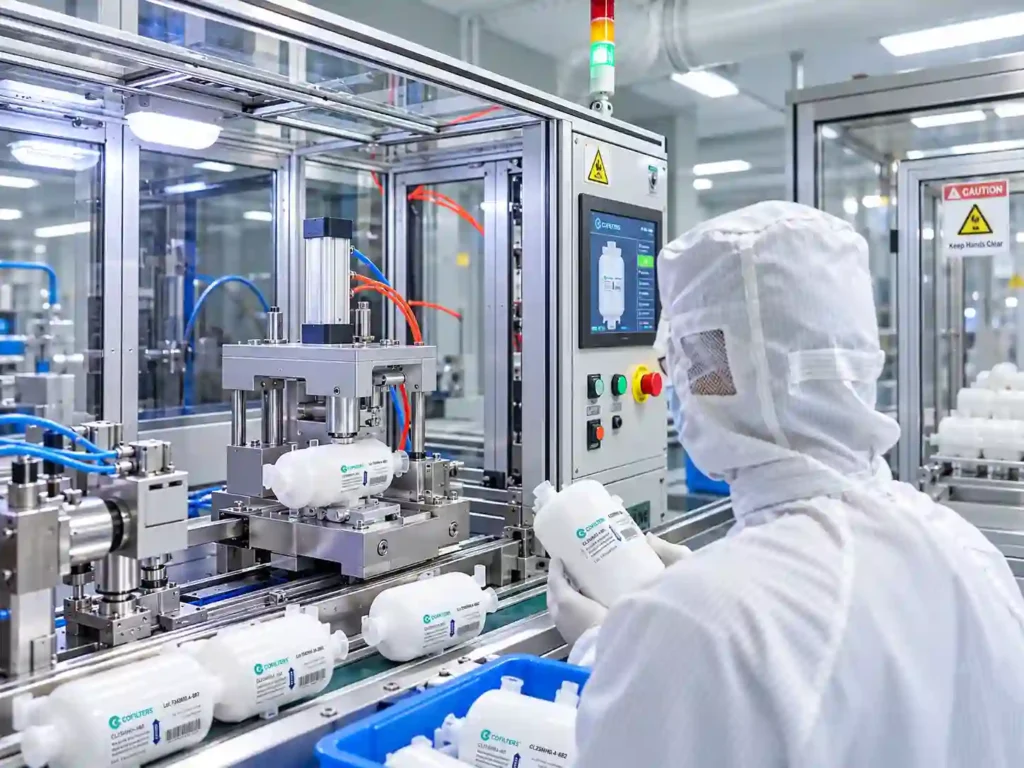
From raw material inspection to final product testing, we are committed to ensuring consistent quality, reliable filtration performance, and dependable products that meet our customers’ requirements.

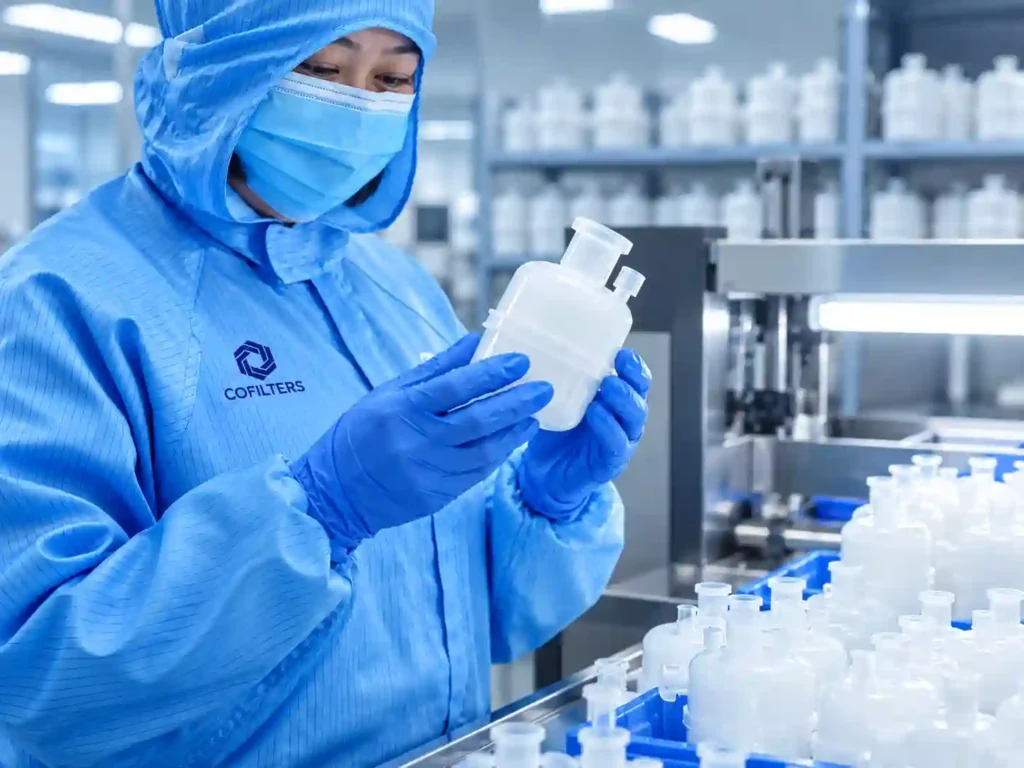
Workers verify incoming filter media & component specifications.

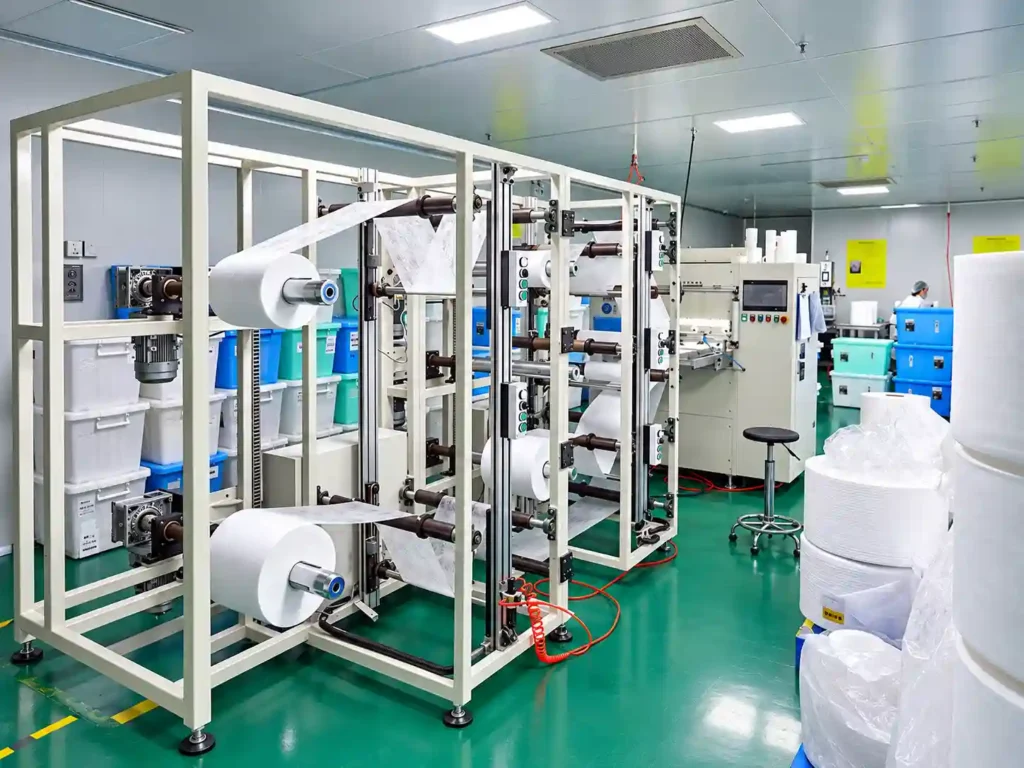
We control pleat uniformity and filtration area for consistent performance.

We inspect end-cap bonding, sealing, and dimensional accuracy.

We verify filtration efficiency, flow rate, and pressure drop against product specifications.

Identification & Packaging

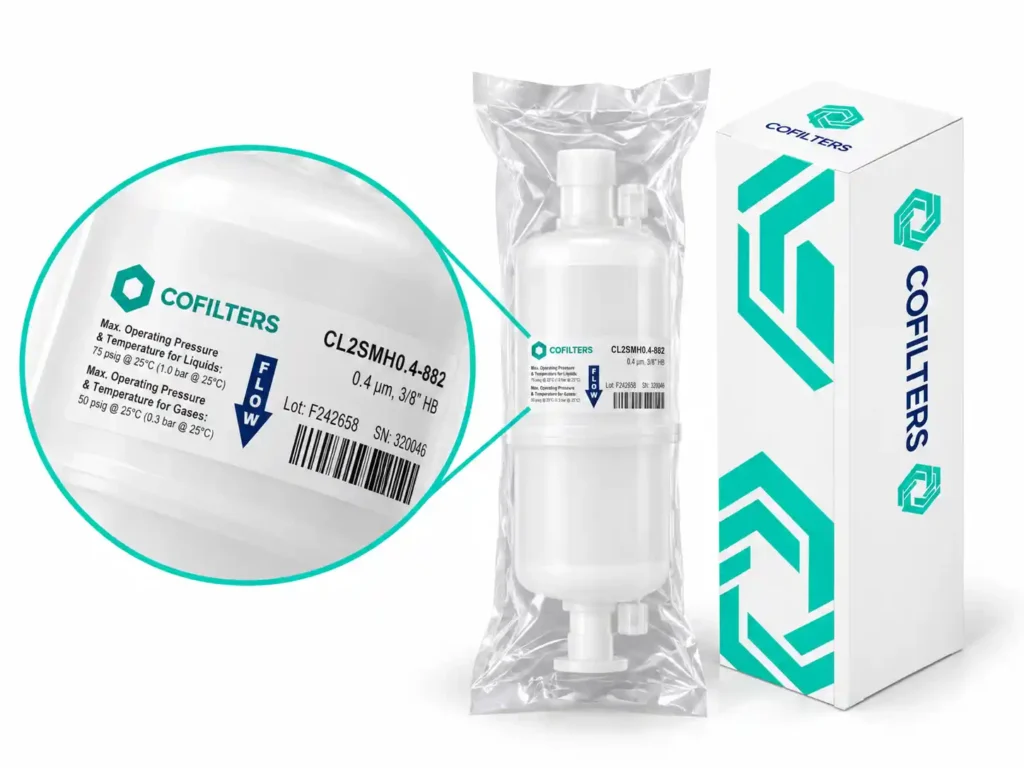
Lot Coded

  • Laser etched lot code on membrane & Cryto cartridges
  • Traceable back to raw materials

QR Code / Barcode

  • Product traceability
  • Links directly to further information for each product
  • Stock management integration

Four Protective Layers

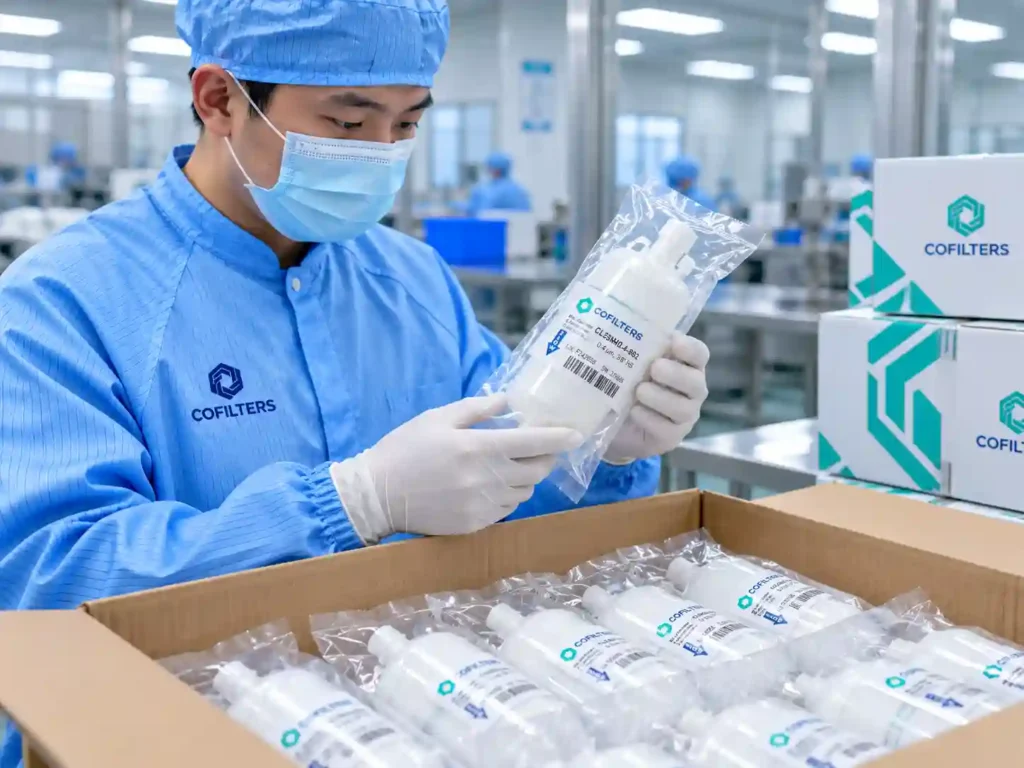
  • Vacuum sealed inner packaging
  • Tough outer polybag layer provides additional protection
  • Individual product boxes
  • Heavy duty outer carton

Frequently Asked Questions

A capsule filter is a self-contained filtration unit with a membrane or depth filter permanently enclosed in a protective housing. As liquid or gas passes through the filter media, particles and other targeted contaminants are retained. Its sealed, ready-to-use design simplifies installation and reduces handling requirements.

Capsule filters are widely used in pharmaceutical manufacturing, biotechnology, laboratories, food and beverage processing, and electronics production. Common applications include particle removal, liquid clarification, buffer filtration, microbial reduction, and sterile gas venting. Their compact design makes them particularly useful for small-batch processing and single-use filtration systems.

Capsule filters combine the filtration element and housing into one disposable unit, eliminating the need for a separate reusable housing. Cartridge filters require an external housing but may be more economical for repeated, large-scale operations. Capsules are particularly convenient for laboratories, small batches, and single-use processing.

Choosing the right capsule filter requires evaluating the fluid type, filtration objective, membrane material, pore size, flow rate, and processing volume. Chemical compatibility, operating pressure, temperature, and connection type also matter. For critical applications, verify retention performance, product recovery, and applicable validation requirements before selection.
Capsule filters are available in various pore sizes, commonly including 0.1, 0.2, 0.45, 1, and 5 microns, depending on the filter media. Smaller ratings generally target finer contaminants, while larger ratings support clarification and prefiltration. Sterilizing-grade performance requires validated microbial retention, not pore size alone.

Common capsule filter media include polyethersulfone (PES), polytetrafluoroethylene (PTFE), polyvinylidene fluoride (PVDF), nylon, and polypropylene (PP). PES is frequently selected for aqueous filtration, while hydrophobic PTFE is suitable for gas venting. Material selection depends on chemical compatibility, protein binding, filtration performance, and process requirements.


Some capsule filters support autoclaving, gamma irradiation, or steam sterilization, depending on their construction and manufacturer specifications. However, many are designed for single-use operation. Reuse should never be assumed safe, particularly in pharmaceutical applications, without validated cleaning, sterilization, filter integrity, and contamination-control procedures.


Capsule filter integrity is commonly evaluated using bubble point, diffusion or forward flow, and water intrusion tests, depending on membrane type. These nondestructive methods help detect defects in the filtration assembly. Acceptance limits must follow validated manufacturer specifications and applicable process requirements.


Capsule filters should be replaced when differential pressure exceeds specified limits, flow performance becomes unacceptable, or the validated filtration cycle ends. Replacement frequency depends on fluid contamination, membrane area, process conditions, and filtration volume. Single-use capsules are generally discarded after their intended production batch.

Pleated Filter Cartridges Compliance
Submit your existing filter part number If you have, Cofilters team will help identify a compatible replacement.
Choose Brand
*All data are secure & confidential
Scroll to Top

send your inquiry

Fill out the form below, and we will be in touch shortly.